
Brand identity is an integral part of your business. Your brand identity provides a solid base from which you operate.
It can inform a consumer’s decision whether to buy from you. If your brand identity aligns with what your consumer is looking for in a business, they are much more likely to choose you over your competitors.
Social media is one of the top tools for brand building, allowing you to build a loyal following of engaged customers and fans. Your followers can share your content with their networks, thereby increasing its reach and your brand’s visibility.
If you aren’t leveraging the power of social media to build your brand identity, there’s no time like the present to get started. Read on to learn more about how you can build your brand’s identity.
Estimated reading time: 8 minutes
Table of Contents
Key Takeaways
- Brand identity is more than a logo. It includes your visuals, voice, values, and how your business presents itself across channels.
- A strong brand identity helps small businesses stand out, build trust, and influence buying decisions.
- Social media supports brand identity by increasing visibility, showcasing brand personality, and providing audience data through platform analytics.
- Research comes first. Review your audience, competitors, brand values, and performance data before making branding decisions.
- Consistency matters most. Keep your visuals, messaging, and posting habits aligned across social media, your website, email, and other marketing channels.
What Is Brand Identity?
A business needs to build a brand to create and maintain a relationship with consumers, clients, and other business contacts.
In an increasingly digital world, the internet plays an important role as more people search online for their products—your visibility matters. So you have to maintain a presence.

What Brand Identity Means
Many people believe that brand identity begins and ends with the logo. While the logo does matter, brand identity is about much more than simply a logo, typography, or a style guide.
You can and should use your brand identity to differentiate yourself from your competitors and influence your consumers. It is about the overall representation of your brand, and how it looks, communicates, and builds familiarity.
The question is then, how can you build a better brand identity? Let’s take a look at how your social media presence plays a role in building your brand.
Research and Analytics
Before going any further, you need to do your due diligence. Assess everything that could come up or stand in the way of your brand. Start with your brand’s personality, history, target audience, and the market you operate in.
The value of posting on social media extends beyond the post itself. You can also gain a ton of insight into your audience.
Each social media platform has its own analytics, allowing you to view your followers’ activity. You can check the types of content they prefer, how they engage, and learn a little about who they are to further inform your social media marketing.
This allows the content you post on social media to reach a wider audience, increasing your brand’s impact.

The stats available to you all need to be studied. Again, preparation is key. Devise some stats and figures to give you a better foundation to work from. You can leverage this information to build personas for your audience.
You can then begin to build your brand strategy based on this research. Within your brand strategy, you should define your brand’s motives, the business’s needs, and your consumers’ needs and desires.
Look at your competitors. You can emulate what they have done well, avoid their pitfalls, and sufficiently differentiate your brand from theirs.
Target Audience
Your brand identity should be geared toward your consumers:
- What do they want to see?
- What type of content do they love to share on social?
- What do they want from a brand?
- Which form of engagement will be the most effective?
Your brand’s values need to align with those of your target audience to be successful. So, understand your audience and then develop your social media strategy around their needs to boost your brand.
There are three types of audiences:
- Primary
- Secondary
- Tertiary
The primary audience consists of consumers, whether existing or prospective. The secondary and third audiences are employees, other brands, or competitors who can help you expand your message’s reach by sharing it with their followers.
The creation of your brand identity should aim to reach every segment of your audience. Do not neglect any of them, even if you deem them to be less important.
For example, your employees act as advocates for your brand and represent it as well.
Therefore, they are just as important as your consumers. Their efforts can mirror your own. Take their views into account and run decisions by them to gauge their reactions before making things public.
How to Build a Brand Identity
Once you reach the design stage, you should have done all the necessary research and analysis. You feel confident that you understand your audience, their feedback, your competitors, and your own goals and values.
Then, you can move on to the design. This involves taking your brand identity and incorporating it into your social media consistently, including:
- Your logo
- Social media headers
- Social media post imagery
- Infographics
- Colors
- Typography
- Tone of voice
- Imagery
- Visuals to accompany your social posts
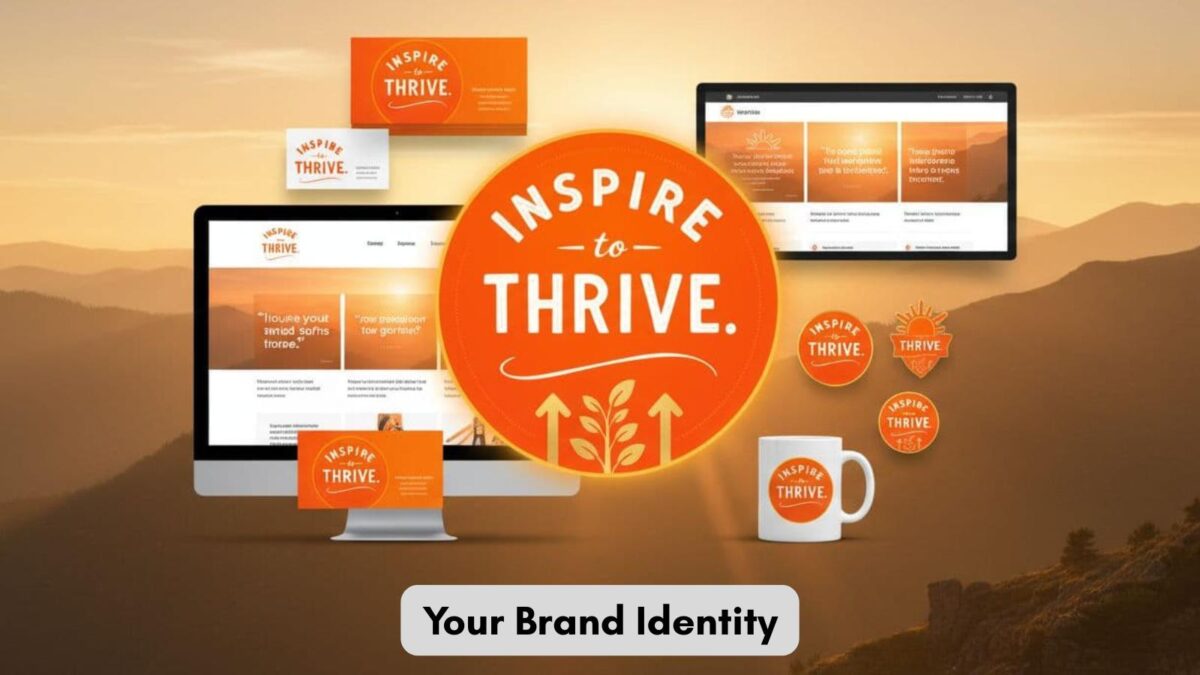
You can translate this information into visual tools to promote the brand. You can either design your advertising materials yourself or outsource them.
It depends on how comfortable and confident you are in creating them.
How to Keep Your Brand Consistent
Make sure to clearly define that your social channels are owned by your brand. Be consistent with the branding of your website and other digital and physical marketing properties to ensure your followers make the connection between all parts of your brand.
Consider your brand’s overall visual identity, color schemes, aesthetics, and typography. Make sure these are all consistent throughout your social channels as well.
This helps keep your brand identity consistent across your marketing, from social media to the website to emails and banners.
For example, if you were to make a banner, you could use a service like Creatopy, which lets you upload the design and automatically ensures it matches the destination’s dimensions.
So, you don’t have to be a graphic design pro to make your social media presence look good.
How Social Media Supports Brand Identity
As mentioned above, once you have the design in place, it is all about consistency. You need to maintain your brand over the long term by staying consistent across your social media channels.
- Post regularly and at the times your audience is most active
- Engage in conversations with your followers
- Make sure your social media content lines up with your overall brand
Presenting your brand well on social media helps to improve your brand recognition and leads to more business.
You can do this by regularly reviewing and setting new and existing goals, and by growing your connections. By looking at your goals, you can analyze what is working and what needs a second look.
You can then refine your social media and cross-channel marketing to ensure they serve their purpose while remaining true to your brand identity.
Conclusion: Brand Identity as Lifeblood of Your Blog or Business
Brand identity is the lifeblood of a business, and social media is an effective tool for expanding your brand’s reach. You cannot overlook it or overstate its importance in building your brand’s reputation.
Your audience is an asset, and developing a solid brand identity helps you to cater to them. Try to be unique with your perspective, make your brand dependable, something that can be relied on.
Do your research and make sure you are prepared. Nail down your brand’s values and voice first, and the rest will follow. It does not have to be as daunting as it first seems.
And most importantly, stay active, post content your audience loves, and create conversations to help spread the word!
Frequently Asked Questions About Brand Identity for Small Businesses
Brand identity is the way your business presents itself to people. It includes your logo, colors, typography, messaging, tone, and the overall impression people get when they interact with your brand.
Brand identity matters because it helps people recognize your business and decide if they trust it. When your identity matches what your audience wants and expects, it becomes easier to stand out from competitors.
A logo is only one part of brand identity. The bigger picture includes your brand voice, design style, values, social media presence, and how consistent your business feels across every touchpoint.
Social media helps shape brand identity by providing a platform to share visuals, voice, and content regularly. It also gives you audience data, which helps you refine your messaging and post content that people respond to.
Start by researching your audience, competitors, and current brand perception. Then align your visuals, messaging, and content across platforms, and keep reviewing performance so your brand stays consistent over time.

- 6 Surefire Ways To Amplify Your Online Marketing - May 29, 2026
- How to Build a Solid Brand Identity Using Social Media - April 13, 2026
- 4 Social Media Brand Building Mistakes Businesses Make - January 29, 2025
Enjoy this content? Help me show up more often in Google by adding Inspire To Thrive as a Preferred Source:



Social media is one of the top tools for brand building, allowing you to build a loyal following of engaged customers and fans. Your followers can share your content with their networks, thereby increasing the reach of your content and your brand. Brand identity is the lifeblood of a business, and social media is an amazing tool for expanding the reach of your brand. You cannot overlook it or overstate its importance in building your brand’s reputation.
One of the best guidance I’ve ever met. Hopefully I’ll learn from it and apply it on the real project as well.
Thank you team for your full of meat educations!