
My bulldog Stella helps drive brand awareness much faster than my logo ever could. That taught me a simple lesson: a brand mascot can make a blog or small business feel friendly and easy to recall.
When I feature her in Inspire To Thrive posts or videos, she strengthens my brand identity and makes the business feel more human. I am not talking about a random cartoon; I mean a recognizable brand personality that people learn to trust over time.
Table of Contents
Key Takeaways: Brand Mascots
- Humanize your brand: Mascots provide a relatable, recognizable face that creates emotional connections and makes your business feel more accessible than a standard logo.
- Prioritize consistency: To build lasting brand recognition, your mascot must maintain a consistent look and personality across all platforms, including social media and email.
- Strategic placement: Use your mascot as a guide to soften your content and bridge the gap between complex information and your audience, rather than as a distraction.
- Alignment with values: Choose character traits for your mascot that directly reflect your core business values, ensuring the mascot acts as a clear representation of your brand promise.
Why a Mascot Can Make a Small Brand Easier to Remember
A face and personality help people remember me
People often forget names, but they rarely forget characters. Memorable mascots act like a shortcut in the brain, creating a lasting impression that is difficult to replicate through traditional advertising alone.
This is exactly why a brand mascot is so effective for my business. By acting as a recognizable figure, she ties together my website, social posts, and offers to build consistent brand awareness.
Much like how large insurance companies or classic cereal mascots use characters to stay top of mind, she serves as a unique brand mascot, humanizing my mission. I like Clay on mascot branding because it illustrates how this recognition creates a cohesive identity across every digital channel.
Stella is always a hit on YouTube and Reels
On video, she breaks the ice instantly. My content feels warmer and less formal, which is essential for capturing attention in a crowded feed.
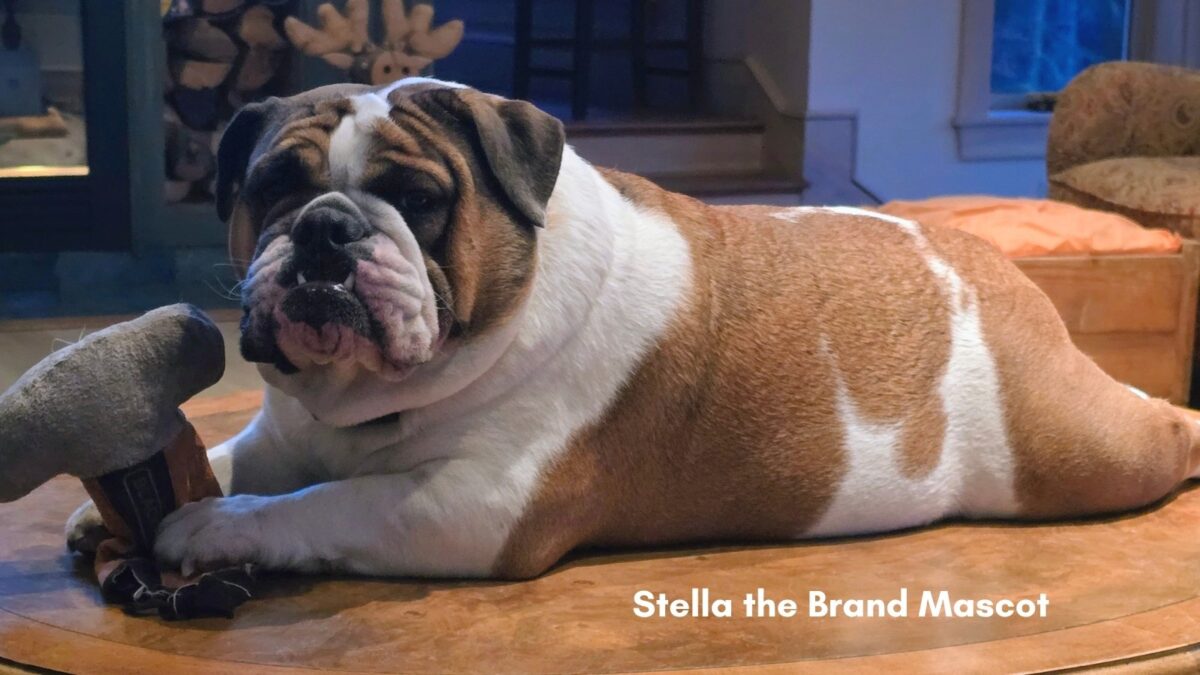
That is why Stella is always a hit on YouTube and Reels. For bloggers and small business owners, utilizing a character on social media softens the message without weakening it.
This type of brand representation drives higher brand engagement because people smile first, and then they listen.
What My Bulldog Stella Teaches Me About Building Brand Character
My bulldog works as a brand mascot because her personality perfectly matches the tone I want for my business.
When I approached the character design for my business, I focused on traits that convey loyalty, grit, confidence, and a touch of playfulness.
This approach ensures that the brand character traits I highlight remain aligned with my core brand values.
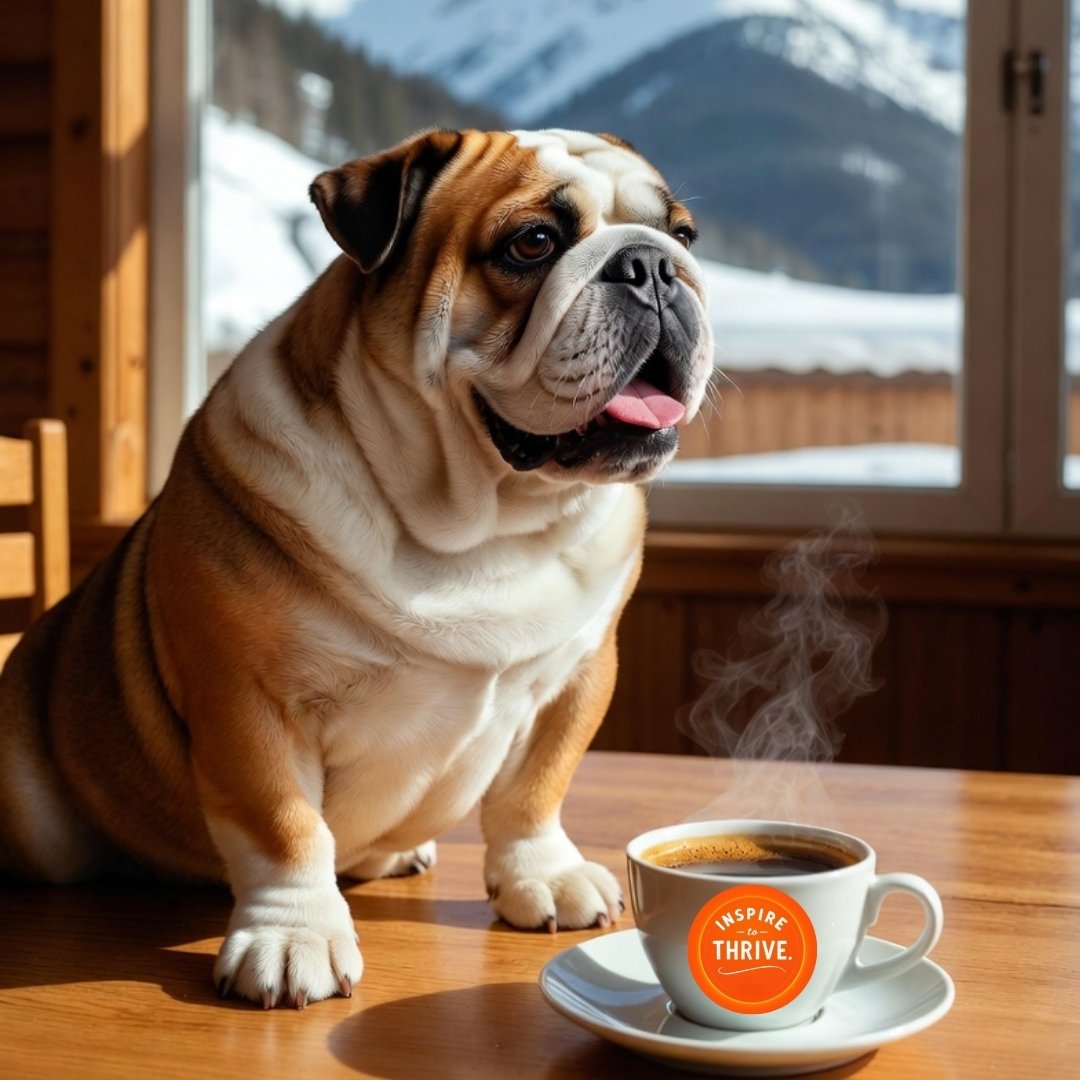
If I choose a mascot for my brand, cute is never enough. The character design needs to serve as a strong visual representation of the promise I make to my readers and customers. While many companies use animal mascots to create an immediate emotional connection, others opt for human mascots to add a personal touch.
Regardless of the choice, the character must bridge the gap between the business and the audience. We often see this strategy used by iconic brand mascots, such as the Michelin Man, who has successfully represented the company’s identity and reliability for decades.
Stay consistent so people learn what the mascot stands for
Consistency matters more than detail. Same tone, same look, same job.
If the character changes every week, people will not connect it to me. This brand mascot must remain a stable figure to build long-term recognition.
Recognition comes from repetition, and by keeping my own bulldog central to my content, I ensure that my audience always knows exactly who is behind the work.
How to Use a Mascot Without Making the Brand Feel Silly
Use the mascot to support content, not replace the message
I use my Stella to frame ideas, lighten the mood, or welcome people in. When developing marketing campaigns, I ensure that my brand mascot acts as a guide rather than a distraction.
I do not let her take over pages that need straight answers. If readers remember the dog but miss the point, I have failed to align her presence with my broader marketing strategy.
Today, a mascot should feel like an evolution of a brand story rather than a gimmick. While modern trends move toward a virtual influencer or even augmented reality, the core principle remains the same: the character exists to bridge the gap between complex information and your target audience.
Let the mascot show up in the right places
I keep my brand mascot, Stella, in spots where a little personality helps build consumer trust. Using her in specific areas of brand communication allows for a consistent feel without overwhelming the user:
- welcome emails
- promo graphics
- blog images
- thank-you pages
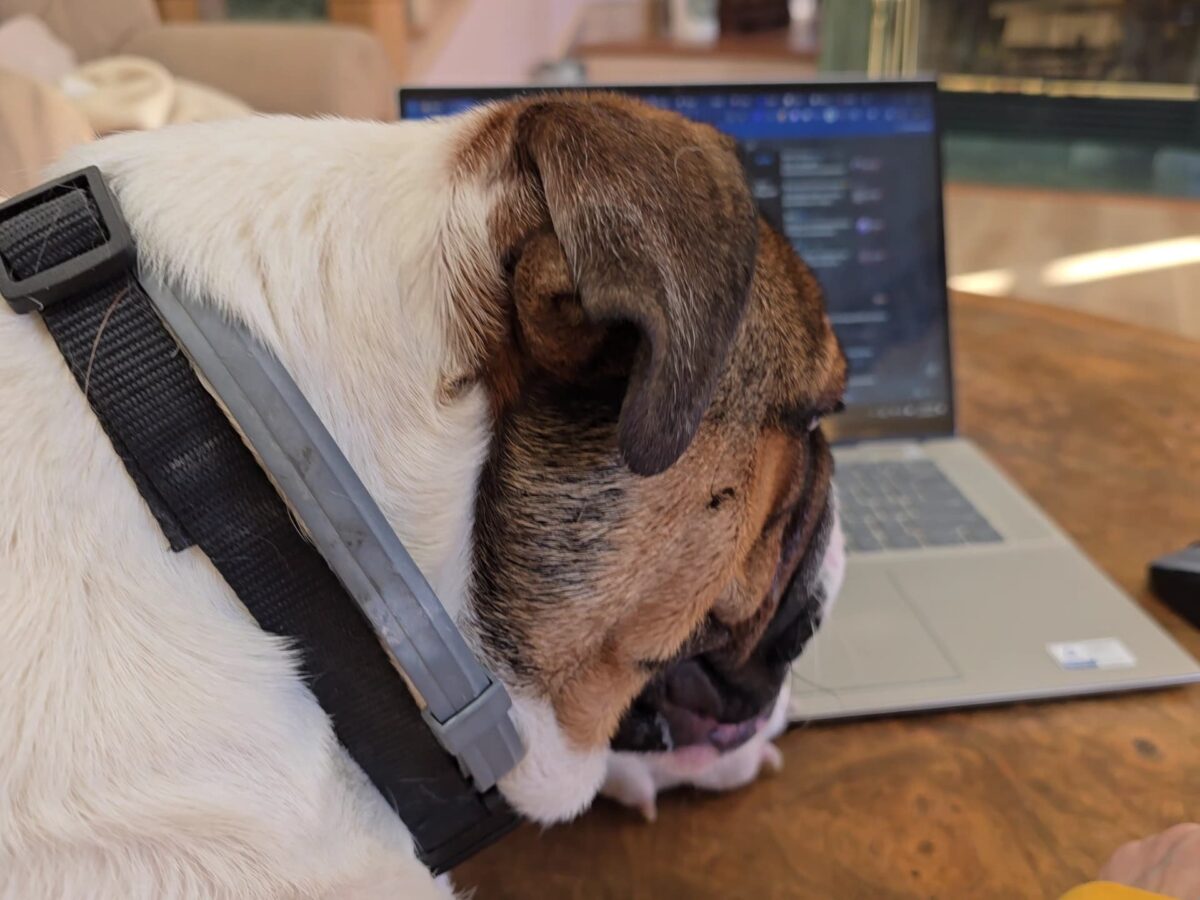
I also use her in email headers and the occasional customer reply. Small doses work best, ensuring that your character remains a helpful companion rather than a silly cartoon.
However, there are times when Stella makes it hard to produce video content because she snores loudly right next to me daily. I have to gate her in downstairs so I can create a video upstairs with the door closed.
@inspiretothive_li They say do video on social media. It is the the best way to communicate your messages. 💬 But when you have a bulldog it gets a little tricky. 🐶💤 And bulldogs can sleep 20 hours a day. #bulldogs #bulldoglife #videocontent #videos #videomarketingforbusiness ♬ original sound – Lisa Sicard | InspireToThive
Frequently Asked Questions
Yes, almost any brand can benefit from a mascot if it fits the company’s tone and values. The key is choosing a character, whether animal or human, that creates an immediate, positive connection with your specific target audience.
Consistency is more important than volume, so choose specific touchpoints where the mascot can add value. Use them in welcome emails, social media intros, or blog graphics to keep the branding familiar without overwhelming the user or distracting from your message.
A mascot only feels “silly” if it serves as a distraction rather than a brand asset. Focus on using your character to support your content, frame your ideas, and welcome your audience, ensuring that the mascot enhances your professionalism rather than undermining it.
Conclusion: Using a Brand Mascot
My bulldog, Stella, makes my brand more memorable because she serves as a humanizing face and a voice people can recognize. Choosing the right brand mascot provides a distinct competitive advantage for any small business or blog looking to improve brand awareness.
By serving as both a symbolic and a recognizable figure, Stella anchors my brand identity in my audience’s minds.
The key to long-term success is consistency. If you choose a brand mascot with the right traits and use it intentionally, it grows into a simple, powerful asset that sticks with people and helps your business stand out in a crowded market.
Do you have a brand mascot? I’d love to hear about it in the comments.
Disclosure: This Inspire To Thrive blog post contains affiliate links. I may earn a commission from qualifying purchases at no extra cost to you. Some sections were drafted with AI tools and carefully reviewed/edited by me.

- How to Use Social Media for the Best Black Friday Deals of 2026 - October 19, 2026
- How to Identify and Prioritize Your Money Pages (And Why I Just Updated Mine in Link Whisper) - October 19, 2026
- How to Build a Strong Online Presence for Solopreneurs in 2026 (Without Spreading Yourself Thin) - October 17, 2026
Enjoy this content? Help me show up more often in Google by adding Inspire To Thrive as a Preferred Source:


Stella really is a star Lisa. She has charisma. Funny, cute and as playful as can be. She is the perfect mascot for your brand and definitely adds a warm, fun-loving touch to your online presence.
Thanks Ryan, she is full of charisma for sure 🙂 Thanks for coming by to read this one. Would you ever consider a mascot for your brand?