
Creating a professional social media profile isn’t just for influencers; it’s vital for anyone looking to enhance business opportunities. Your online presence can make or break first impressions. But how do you develop a professional social media profile that stands out today?
To develop a professional social media profile, use a clear photo, write a focused bio, showcase relevant skills, stay active, and keep your information up to date.
This guide shows how to build a professional social media profile that works as your digital business card, whether you’re a job seeker, consultant, freelancer, or small business owner. You’ll get a clear sequence: audience and goals, platform choice, visual and voice consistency, profile details, sustainable posting, and a simple way to check if it’s working
Table of Contents
Key Takeaways for Profiles
- A professional social media profile should include a clear photo, a focused bio, relevant skills, and up-to-date experience.
- LinkedIn is best for most professional networking, while X can help with industry visibility and real-time engagement.
- Strong profiles use consistent branding, share useful content, and demonstrate results through examples or metrics.
- Regular updates, active engagement, and careful privacy settings help protect your reputation and keep your profile effective.
- A polished profile can improve first impressions, attract clients or recruiters, and support personal brand growth.
Understanding the Importance of a Professional Social Media Profile
Having a professional social media profile is crucial today. It’s not just about sharing updates; it’s about presenting yourself in the best light.
A professional profile can open doors you never imagined. However, an unprofessional profile may stunt your growth on some social media networks.
Building Your Personal Brand
Think of your social media profile as your digital business card. It’s often the first impression people get of you. Here’s how it contributes to your personal brand and visibility:
- Showcase Your Skills: Your profile is a place to highlight your skills and accomplishments. Share posts about your work or industry insights. Use it to position yourself as an expert.
- Consistency is Key: Make sure your profile picture, bio, and posts align with your personal brand. Consistent branding makes you more memorable and trustworthy.
- Engage With Your Audience: Respond to comments and engage in conversations. This interaction makes you appear more personable and approachable.
By building a strong personal brand, you make it easier for people to recognize your value.
Develop A Professional Social Media Profile for Networking Opportunities
A professional social media profile isn’t just about branding. It’s a powerful tool for networking. Here’s how it can help you get clients or find a new job.
- Visibility: A polished profile attracts clients or recruiters. They’re more likely to approach you if your profile is professional and up to date.
- Industry Connections: Follow and connect with industry leaders and peers. Comment on their posts and share useful information. This can lead to valuable professional relationships.
- Client Opportunities: Many clients may be looking for your products or services. They may not advertise it, but they contact you via social media.
In summary:
- A well-developed social media profile boosts your visibility and sets you apart.
- It serves as a networking hub, connecting you with valuable industry contacts.
By maintaining a professional social media profile, you put yourself in a position to grow both your personal brand and your business.
Which Social Media Platform Is Best for a Professional Profile?
Selecting the right platform is the first crucial step when you develop a social media profile. Not all platforms serve the same purpose, and each has unique features that can help you achieve your career goals.
Let’s break down how LinkedIn and X Twitter can be used effectively.
X (formerly Twitter) and Industry Engagement
X may not seem like an obvious choice for professional networking, but X can be useful for real-time industry conversations and visibility. Here’s how:
- Follow Industry Leaders: Follow thought leaders and influencers in your field. This allows you to stay up to date on industry trends and insights.
- Showcase Expertise: Post about industry news, share insights, and comment on relevant topics. This helps position you as a knowledgeable professional.
- Engage in Conversations: Participate in X chats and X Spaces and use industry-specific hashtags for chats only. This boosts your visibility and expands your network.
- Promote Your Work: Share links to your projects, articles, or blog posts. This drives traffic to your work and showcases your expertise.
X can be a dynamic platform for real-time engagement and business growth.
Platform Comparison for Bloggers & Small Business Owners: LinkedIn vs. X vs. Instagram (2026)
| Aspect | X (formerly Twitter) | ||
|---|---|---|---|
| Primary Strength | Thought leadership, B2B networking, long-form content sharing, professional credibility | Real-time promotion, community building, quick traffic spikes, idea validation | Visual storytelling, brand personality, high organic reach via Reels |
| Best For | Sharing blog articles, attracting coaching/clients, establishing expertise | Driving immediate blog traffic, niche conversations, loyal following | Visual snippets, product businesses, lifestyle content, Reels for discovery |
| Audience Focus | Professionals & business owners (high buying power for services) | Creators, enthusiasts, engaged niche communities | General consumers, younger audience, visual/creative followers |
| Content Style | Articles, carousels, professional videos, newsletters | Short posts, threads, quick tips, replies | Reels, carousels, Stories, aesthetic images & short videos |
| Traffic & Leads | Strong B2B leads, high-quality traffic, email list growth | Fast awareness, referral traffic, viral moments | Product sales, indirect leads, massive discovery via Reels |
| Pros | High ROI for services, expert positioning, targeted networking | Low barrier, influencer access, real-time feedback | Algorithm loves new creators, visual hooks, shopping features |
| Cons | More formal, slower organic reach for casual content | High noise, controversy risk, less visual | Less ideal for deep expertise, algorithm changes affect consistency |
| Time Investment | Moderate (1–2 focused hours/week) | Low to moderate (quick daily engagement) | Higher (consistent visuals & video creation) |
Use LinkedIn for deeper professional connections and service leads, X for quick visibility and traffic, and Instagram to humanize your brand with visuals and Reels.
LinkedIn: The Professional Standard
LinkedIn is the go-to platform for professionals. It’s designed specifically for networking and career development. If you want to showcase your professional achievements, connect with industry leaders, or find job opportunities, LinkedIn is your best bet. How can you use it effectively?
- Create a Compelling Profile: Ensure your profile picture is professional. Write a headline stating what you do, and a summary highlighting your skills and achievements.
- Build Connections: Connect with colleagues, industry leaders, and potential clients. The more connections you have, the wider your professional network.
- Stay Active: Share industry news, write posts, and engage with other people’s content. This keeps your profile active and shows your engagement in your field.
- Join Groups: Participate in LinkedIn groups related to your industry. This is a great way to network and learn from peers.
By leveraging LinkedIn, you can effectively boost your business or career.
Develop A Professional Social Media Profile
Creating a professional social media profile is like crafting your digital business card. Each element, from your profile picture to your bio, plays a key role in how others perceive you.
With the right tips and strategies, you can ensure your profile stands out for all the right reasons.
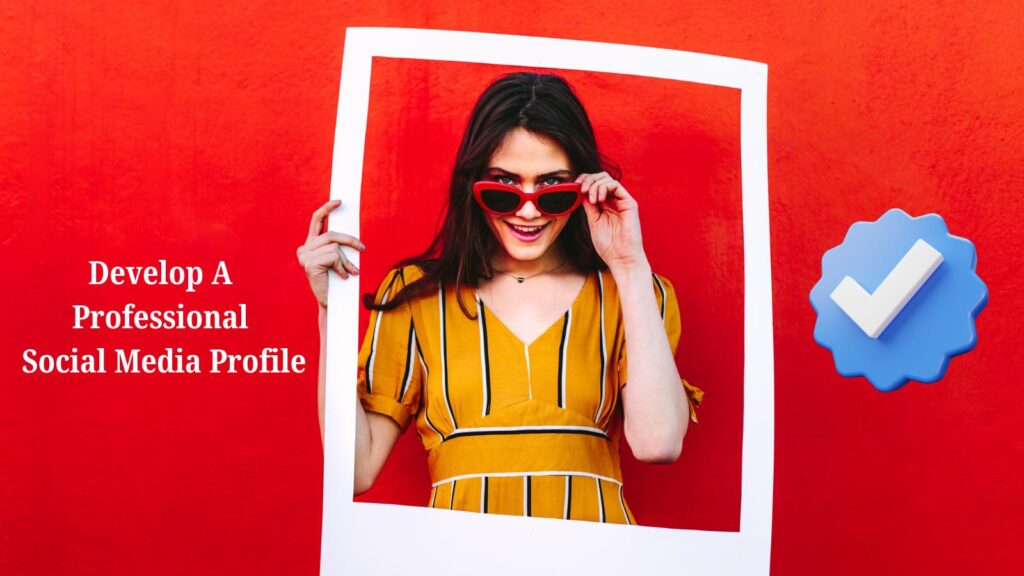
Choosing a Professional Profile Picture
First impressions matter. Your profile picture is often the first thing people see when they visit your profile. Here’s how to choose the perfect one:
- Clarity and Quality: Your picture should be clear and high-resolution. Blurry or pixelated images can make you look unprofessional.
- Appropriate Attire: Dress as you would for a job interview. This means wearing professional attire that reflects your industry.
- Neutral Background: Choose a background that’s not too busy. Plain or neutral backgrounds keep the focus on you.
- Friendly Expression: A warm, approachable smile goes a long way in making a positive impression.
Remember, your profile picture is your visual handshake. Make sure it’s a firm, professional one.
Writing an Engaging Bio
Your social media bio is your chance to introduce yourself. It should be concise yet impactful. Here’s how to write an engaging bio:
- Start with a Hook: Grab attention right away. A strong opening statement makes people want to read more.
- Highlight Key Roles: Include your current job title and significant past roles. This shows your professional journey.
- Include Achievements: List your key accomplishments. Specific achievements, such as awards or successful projects, add credibility.
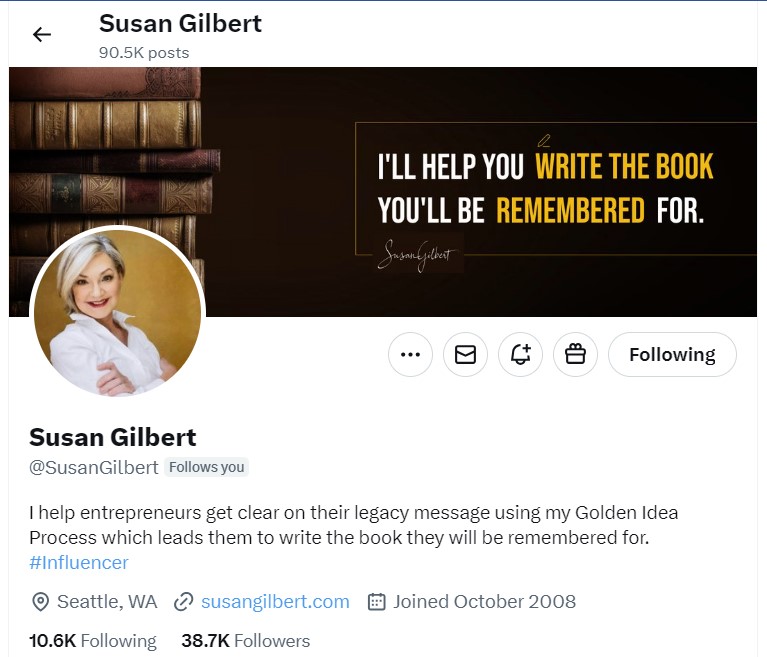
- Show Personality: While being professional, don’t shy away from adding a personal touch. Mention hobbies or something personal about you. For instance, I love weather, crocheting, and doing puzzles; I mention them on my X personal profile.
For example, you could say: “Marketing Manager with 10 years of experience. Passionate about innovative campaigns and making a difference through community service.”
Showcasing Skills and Experiences
Highlighting your skills and experiences effectively turns your profile into a showcase of your professional capabilities. Here’s how to do it:
- Make a Skills List: List your relevant skills. Prioritize those that are most pertinent to your current role or the one you aspire to.
- Detailed Experiences: Describe your work experiences in bullet points. Focus on your responsibilities and what you achieved in each role.
- Quantify Achievements: Use numbers whenever possible. Saying you “increased sales by 20%” is more impactful than just saying you “boosted sales.”
- Endorsements and Recommendations: If the platform allows, get endorsements from colleagues or supervisors. Recommendations add an extra layer of credibility.
For instance:
- Managed a team of 12 in delivering marketing campaigns.
- Spearheaded a project that increased client engagement by 30%.
Each section of your professional social media profile should reflect who you are and what you bring to the table, making your profile a powerful tool.
Maintaining Your Professional Social Media Profile
To make a lasting impression and grow your presence online, maintaining your social media profile is crucial. It’s not just about setting up a profile; you need to keep it dynamic and interactive.
Here’s how you can master the art of social media profile maintenance.
Regularly Updating Content
Keeping your profile up to date shows that you are active and engaged. It’s like keeping your resume current but even more vibrant.
- Share New Achievements: Did you complete a new course? Earn a new certification? Update your profile with these milestones to showcase your continuous development.
- Post Relevant Content: Share articles and blog posts, or reports that are relevant to your field. This keeps your network informed and positions you as a knowledgeable person in your area. If you are not a political candidate or an activist, be careful about sharing your political views.
- Refresh Your Bio: Periodically review and update your bio. Add new job roles or remove outdated information to ensure it reflects your current status.
By consistently managing these updates, you’ll keep your profile fresh and engaging, attracting more relevant connections.
Of course, you want to keep your bio picture up to date. I was not active on my personal Facebook, and I recently changed that photo because it had been over 5 years since I took it.
We all age, and people want to know WHO you are NOW. Don’t be ashamed of being too young or too old. You are always the right age today.
Engaging with Your Network
Interaction is the heartbeat of social media. Having a well-curated profile is great, but you also need to engage with your network actively.
- Comment on Posts: Show interest in what others share by leaving thoughtful comments. This not only builds rapport but also makes you more visible in their network.
- Join Discussions: Participate in relevant discussions or groups. Share your thoughts and insights—they add value and highlight your expertise.
- Congratulate Achievements: When someone in your network shares their success, acknowledge it. A simple “Congrats!” can go a long way in building strong professional relationships.
Being active and engaged helps you build a robust network, which is key to a successful social media presence.
Yes, we are working on a conditioner and hope to have it available next month. Thank you so much for your order and support! 😊 pic.twitter.com/C9JgZbJsUT
— The GOAT Farm (@TheGOATFarmLLC) July 27, 2024
Develop A Professional Social Media Profile: Avoiding Common Mistakes
When developing a social media profile, it’s easy to make errors that can affect how others see you. Understanding these common pitfalls will help you build a professional and polished online presence.
Inappropriate Content
Sharing unprofessional content can be a major setback. Pictures from a wild party, offensive jokes, or controversial opinions might seem harmless to you, but they can leave a bad impression on potential employers or clients.
- Impact on Reputation: Even a single inappropriate post can tarnish your reputation. People often associate you with the content you share. What message do you want to send?
- Long-Lasting Effects: Remember, what’s posted online stays online. Future opportunities might slip away because of a thoughtless post from years ago. We have seen this often with political candidates and CEO’s of major companies.
Tip: Before you share anything, ask yourself if it’s something you’d be comfortable showing to your boss or grandma. If the answer is no, it’s best to keep it off your profile.
Neglecting Privacy Settings
Managing your privacy settings is important for protecting your personal information and maintaining an intentional professional image.
Practical steps:
- Review what is currently public. Check each profile (and recent posts) from a logged-out or private browser window so you see exactly what others see.
- Limit personal details. Avoid or restrict birthdate, exact location, home address, family members, and other information that isn’t needed for professional networking.
- Check privacy settings on each platform. Most platforms let you control who sees your posts, connections, contact info, and activity. Review and adjust these settings at least a couple of times a year (and after any major life or job change).
- Remember that public content can be shared. Even if a post or profile is set to private today, anything that has been public can be screenshotted, saved, or shared by others. Treat every post as if it could become permanent.
Tip: Before you share anything, ask yourself if you’d be comfortable with a client, colleague, or future employer seeing it. If the answer is no, keep it off your profile.
Conclusion: Develop A Professional Social Media Profile Today
Creating a professional social media profile is crucial in today’s connected world. As you build your profile, remember to showcase your unique skills, experiences, and aspirations.
Take charge and make your profile a true reflection of your professional self. Engage with your network, share meaningful content, and always stay up to date.
Start today. Enhance your social media presence and open doors to new opportunities.
Professional Social Media Profile Checklist
Use this to set up or refresh your profile:
- ☐ Profile photo — Clear, high-quality, current photo with a friendly expression and simple background.
- ☐ Cover / banner image — Professional and consistent with your brand or industry.
- ☐ Name and username — Real name (or consistent brand name). Easy to spell and consistent across platforms.
- ☐ Headline / bio — Clear and concise. States who you help and the result you deliver.
- ☐ Contact details — Professional email or website/link in bio is visible.
- ☐ Skills and experience — Relevant skills listed. Key achievements quantified where possible.
- ☐ Links — Website, portfolio, or key pages are up to date and working.
- ☐ Visual consistency — Same photo style, colors, and overall look across profiles.
- ☐ Voice / tone — Bio and recent posts sound consistent.
- ☐ Content — A few recent, useful posts or shares that reflect your expertise.
- ☐ Privacy settings — Reviewed on each platform. Personal details limited.
- ☐ Custom URL — Clean, professional URL set (especially on LinkedIn).
- ☐ Next review date — Calendar reminder set for 2–3 months from now.
👉 Quick tip: Complete the items in order. A strong photo and bio matter most for first impressions.
Frequently Asked Questions About Professional Social Media Profiles
Focus on where your audience is active and where you can consistently post useful content. LinkedIn works well for most professionals. Instagram is strong for visual or creative work. X is useful for real-time industry conversations. You don’t need to be on every platform.
Use a clear, high-resolution photo with a simple background and a friendly expression. Dress appropriately for your industry. Use the same (or very similar) photo across platforms.
Keep it short. Say who you help and the result you deliver, not just your job title. Include one or two key skills or proof points. Update it when your role or focus changes.
Update it whenever you change jobs, gain new skills, or finish a notable project. Set a reminder to review photos, links, and privacy settings every 2–3 months.
Share practical tips, industry insights, project results, or short behind-the-scenes updates. Keep the tone professional and consistent. Avoid overly personal or controversial posts.
Share practical tips, industry insights, project results, or short behind-the-scenes updates. Keep the tone professional and consistent. Avoid overly personal or controversial posts.
When the profile is done, use the 2026 best-practices guide so the account actually gets used. Full set: Start Here.
Disclosure: This Inspire To Thrive blog post contains affiliate links. I may earn a commission from qualifying purchases at no extra cost to you. Some sections were drafted with AI tools and carefully reviewed/edited by me.
Enjoy this content? Help me show up more often in Google by adding Inspire To Thrive as a Preferred Source:



Hi Lisa,
Your guide is sensational. So comprehensive.
Updating social profiles frequently is important. Keep followers and friends current. Make your profile relevant to make it follow-worthy.
Thinking about the long term helped me. I stopped posting for the day and set longer timelines to treat social media marketing like a leisurely marathon not a wild sprint.
Thank you, Ryan. Yes, many people still use their old photos or titles. Or keeping a profile but never using the platform. I’m still cleaning up my X account, with many old accounts not active following me or me following them. About 6,000 more to go!