
The good old social media feeds are nearly dead and have been watered down over the years with pages, groups, stories, communities, and now spaces.
If you haven’t seen it recently X began doing Communities and LinkedIn started with its own newsletter feature and products tab. Instagram and Facebook added reels which was a whole new stream in itself.
Many of these latest features are for mobile devices only like Instagram highlights. Now spaces are taking over on X. What will happen to the old newsfeeds? Will they become obsolete social media streams?
Are traditional social media feeds still useful for bloggers and small businesses?
Estimated reading time: 10 minutes
Table of Contents
Key Takeaways
- Traditional social media feeds are not dead, but platforms now prioritize algorithms, recommendations, and alternative formats like stories, reels, and spaces.
- Engagement signals (comments, shares, watch time, clicks) drive visibility across major platforms, including Facebook, Instagram, LinkedIn, Pinterest, X, and YouTube.
- New features such as Facebook Groups, X Communities and Spaces, Instagram Reels, Pinterest video pins, LinkedIn newsletters, and YouTube Shorts pull attention away from classic chronological feeds.
- Bloggers and small businesses that rely only on the main newsfeed risk losing reach and should adapt by using groups, lists, stories, reels, videos, and niche communities.
- Social media feeds are shifting from friend-first to interest-first, so brands need to create engaging, relevant content that algorithms want to surface, not just posts that reach followers.
The Facebook Social Media Feed Has Been Dead For A While
If you go on Facebook today you have choices on how to view your Facebook newsfeed. You can just view videos that draw in a lot of ad revenue for Facebook.
Facebook says it rewards organic reach to posts that drive discussion and hold users’ attention, after all, videos do that. If you have a Facebook page, you will find videos receive more views than other types of posts.
The Facebook algorithm controls the ordering and presentation of posts, so users see what is most relevant to them. Having your posts shared by others helps in this algorithm and reach of your posts.
Rather than publish content chronologically, posts and ads are presented based on what Facebook sees as relevant to you, the user. Facebook also prefers you don’t share all links in your Facebook posts.
Unique content wins over any link type of post. But recently Facebook has said it will go back to the old feed where you will see your friends posts and not so many recommended ones.
You Can Choose Facebook Groups vs. the Main Newsfeeds
Groups have become the rage on Facebook. But how is the algorithm working for these other newsfeed options? Well, according to Agorapulse the Facebook group’s reach is much better than a page’s reach today.
Some of the tips from them include:
- Offer exclusive content in the Facebook Group.
- Answer questions from the group.
- Share faces behind the brand.
But if you do start your own Facebook Group be prepared to devote time to it! You will have to moderate and respond to comments quickly. (Having more than one person manage a group would be a smart move!)
Remember, it’s either time or money. You can do ads on Facebook groups but it must follow the groups rules which can be tricky.
X Twitter Lists Keep You Off the Main X Stream
X lists are a great way to stay focused on the network, especially in this past year. Here are a few things you can do with the list feature:
- You can make your lists private or public.
- Add or delete people at any time as needed.
- Use a list as your feed.
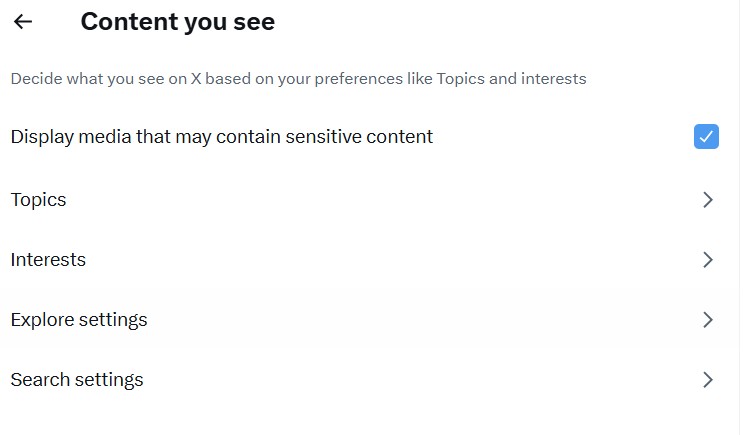
However, you do have options with your X Twitter newsfeeds. You can pick your favorite topics that will change your own algorithm.
Go to your settings and explore areas to see all the latest options.
What Are X Spaces?
X Spaces are live audio chat rooms on X where people talk in real time while others listen and join in. You can host a Space to share tips, teach something, or just talk with your community, and listeners can request to speak if you turn on that option.
Spaces sit at the top of the X app in the timeline, so they can attract new followers and help you build trust faster than regular posts. For small business owners and creators, X Spaces work well for Q&A sessions, quick trainings, product updates, and roundtable chats with partners or clients.
They save time because you can repurpose the content later as blog posts, short clips, or social media highlights, all from one live conversation.
This newer feature takes away from the main X feed as people are on spaces more and off the main timeline.
What About The Instagram Algorithm?
Instagram is another interesting social media network. The Instagram algorithm is based solely on engagement.
According to Instagram itself “What shows up first in your feed is determined by what posts and accounts you engage with the most, as well as other contributing factors such as the timeliness of posts, how often you use Instagram, how many people you follow, etc.
It sounds like another secret sauce recipe, doesn’t it? But wait, there is more.
What about the stories and reel feed? Yes, is your head spinning yet? Welcome to my world of managing social media.
One thing I’ve read recently that is of utmost importance: Spending time on Instagram for at least 5 minutes a day and that is commenting on others’ posts and sending direct messages.
Do not just post your “stuff” on Instagram and go running off elsewhere.
Social Media Feeds for Pinterest
In my last post, I shared how I planned to spend less time on Pinterest this year because of all the recent algorithm changes.
Back in 2022, Pinterest was not the main source of traffic for Inspire To Thrive.
That picture has shifted in 2025. By using more of the right-size images and adding video pins, my Pinterest performance has picked up again. As a result, my Pinterest traffic has grown back to over 70,000 monthly views in 2025.
Pins also have a much longer life span than most other social media posts you create today, which still makes Pinterest a smart platform to keep an active presence on.
LinkedIn Algorithm Also Changed
LinkedIn had some significant changes in its newsfeed algorithm. Ross Simmonds explained this well in a blog post
“Your content is essentially being served up to a SMALL batch of people who you’re connected to as a test and if those people ENGAGE, it’s then passed along to Editors (Real People) to determine whether it should continue to be shown to the masses.”
The more your content is shared in the small group of your contacts, the more it goes out in front of more people on LinkedIn.
So LinkedIn basically followed in Facebook’s footsteps of how posts are shared and seen. It all comes down to the engagement factor.
YouTube Algorithm Updated
Now, YouTube has changed its newsfeed many times over the years and as it’s owned by Google it is more of a secret sauce. It’s a “real-time feedback loop that tailors videos to each viewer’s different interests.”
YouTube decides who will be shown videos.
They watch user behavior and see if people are watching, sharing, or commenting on the content. So even YouTube is about engagement.
The new SHORTS feature is all the rage on this social network. Who has time to watch long videos anymore?
You can use certain keywords and descriptions to help your videos be shown in the YouTube search though. A great tool to use to help you is called Tube Buddy which you can try for FREE.
It has helped me a lot this past year to have my videos optimized for the YouTube network.
Your Action Plan for 2026:
Your action plan for a “feedless” 2026 starts with shifting from passive scrolling to active, intentional content hubs. Social media feeds aren’t fully dead, but they’re getting pushed aside by:
- AI-driven recommendations
- Topic-based discovery pages
- Creator channels
- Private communities
- Search-first behavior on platforms like TikTok, YouTube, and Instagram.
To keep your blog or business visible in 2026:
- Build content that stands on its own (short videos, creative carousels, live sessions, and saves-worthy posts).
- Then organize it into playlists, guides, or series that people can quickly binge.
- Grow at least one search-powered channel (blog with SEO, YouTube, or a podcast with strong show notes).
- Then use social as a distribution and conversation layer, not your main home.
Finally, invest in owned spaces like your email list, website, and maybe a community hub, so when feeds fade, your audience still knows exactly where to find you.
Conclusion: Are Social Media Feeds Going Away For Bloggers and Small Businesses?
The big takeaway is simple, social media feeds are not exactly dead, but they no longer drive attention the way they used to. Today, search, recommendations, and private groups carry more weight, so smart brands treat feeds as part of a bigger content plan, not the main event.
Focus on content that can live in multiple places, like your blog, email list, and community platforms, then let feeds amplify that work.
If this post sparked ideas, save it, share it with a fellow business owner, and tell me in the comments which new format you plan to test first.
Frequently Asked Questions About Social Media Feeds And Their Future
Social media feeds are not obsolete, but they are very different from the early days. Most platforms no longer rely on a simple chronological feed that shows every post from people you follow. Instead, they use algorithms to decide what you see, mixing posts from friends with recommended content, ads, and new formats like stories, reels, and short videos. For users and small businesses, this means the classic “scroll the feed and see everything” experience is fading, and reach now depends on how well your content triggers engagement.
Algorithms look at your behavior, then decide what to show you in the feed. They track signals like what you watch, like, comment on, share, save, and how long you stay on a post or video. Facebook, Instagram, LinkedIn, Pinterest, X, and YouTube all use some version of this system. Rather than showing posts in time order, they rank posts by how “relevant” or engaging they expect them to be for you. Content that gets more engagement, especially early, has a better chance of staying in the feed and reaching more people.
Each platform is pushing its own features on top of the main feed. Facebook promotes Groups, video content, and recommended posts. X uses lists, topics, Communities, and Spaces to shape what you see, along with options to say you are not interested in certain tweets. Instagram gives strong weight to engagement and is pushing Reels and Stories. Pinterest has shifted traffic patterns with algorithm changes, but video pins and the right image formats can still perform well. LinkedIn uses a test group model for posts, where engagement in a small sample helps decide wider reach. YouTube runs a real-time recommendation system that uses watch behavior and now highlights Shorts for quick, snackable content.
Small businesses can adjust their strategy instead of relying only on the default feed. They can focus on high-engagement content like short videos, carousels, and posts that invite comments. They can use Groups on Facebook, Communities or Spaces on X, and niche communities or newsletters on LinkedIn to reach a more focused audience. On Pinterest and YouTube, they can test new formats like video pins and Shorts to regain or grow visibility. Spending a few minutes daily engaging with others, instead of only posting and leaving, also helps signals that feed the algorithms.
Social media feeds still matter, but in a different way than before. The timeline is no longer a guaranteed place where all followers see your recent post. Instead, it is a recommendation surface driven by engagement and user interest. If you get little engagement, your reach can drop sharply, which affects both brand awareness and website traffic. When you understand how each platform’s feed behaves, and you match your content to that behavior, feeds can still be a strong source of views, clicks, and leads.

- How To Repurpose One Blog Post Across Seven Social Platforms - August 6, 2026
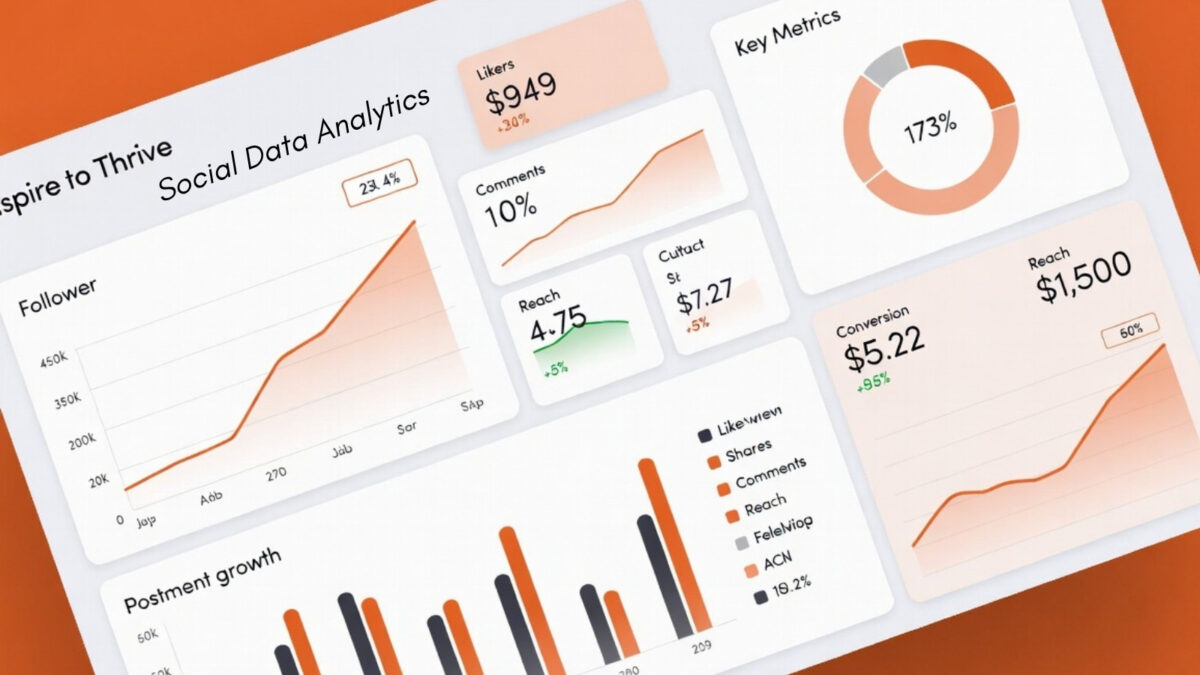
- How To Use Social Data Analytics In Your Marketing Strategy - August 5, 2026
- USUM AI Extension: Research YouTube Videos Faster - August 4, 2026

Hi Lisa,
What an interesting article. I haven’t been paying attention to some changes on social sites lately. This really cleared my mind and I thank you.
I don’t think social media newsfeeds are dead, yep even on Facebook. Indeed lots have changed there but I still like to use it when I run ads. I do enjoy scrolling through the commercials quickly to see what my friends are up to. And I belong to some groups that I do enjoy if I don’t want to scroll.
Thanks for the info on Youtube, especially the link for Tube Buddy. I will check that out.
-Donna
Thank you Donna. Oh yes, there have been many changes on the various newsfeeds. It really hit me when I started to think about Facebook and Twitter and then realized it was not just those 2 social networks. Pinterest changed so much I gave up Tailwind with it. Like an earlier post I wrote, you can only be on so many of the networks before you lose productivity. I love Tube Buddy for YouTube, it really made a difference for me this year!
Thanks for coming by Donna and I hope you have a Happy New Year!
Very interesting read, Lisa. Personally, I prefer newsfeeds to all that other stuff. Call me old school. Will they be dead in the coming year? I doubt it, but I do think social media will continue to evolve. It will be interesting to see if the newer “non censored” apps will follow suit or retain newsfeeds (i.e. Mewe/Parler). Whichever direction it goes, I’m sure there will be a viewer for it all.
Hi Bren, I hear you on that but the newsfeeds are so distorted today you miss a lot. (especially on Facebook though lately not a lot to miss, lol) I’m trying to focus more on groups this coming year for business. It definitely will evolve a lot in 2021. I hope the alternative sites do NOT follow suite as that’s another reason to be on them, they are different. Thanks for your input on this one Bren and have a great day!