Every November my inbox fills up with affiliate gift guides. “50 Must-Have Gifts for Everyone on Your List!” Most of them I scroll right past, because I can tell nobody actually used half of that stuff. It’s a page of links with a holiday font on top.
But every so often a guide stops me. It’s short. The person tells me why they bought the thing, who it’s good for, and what bugged them about it. And I buy from those guides, because they read like a friend texting me a recommendation, not an ad.
That’s how I ended up buying an Elgato Key Light. I saw Ms. Ileane talk about it on X, found it on Amazon, and ordered it because I trusted someone who actually uses the thing, not because it was buried in a list of fifty “must-haves.” It’s a desk-mounted studio panel that I use when I film. It didn’t work as great as I thought it would, but it does help, and it takes time to get it just right for the lighting in my office.
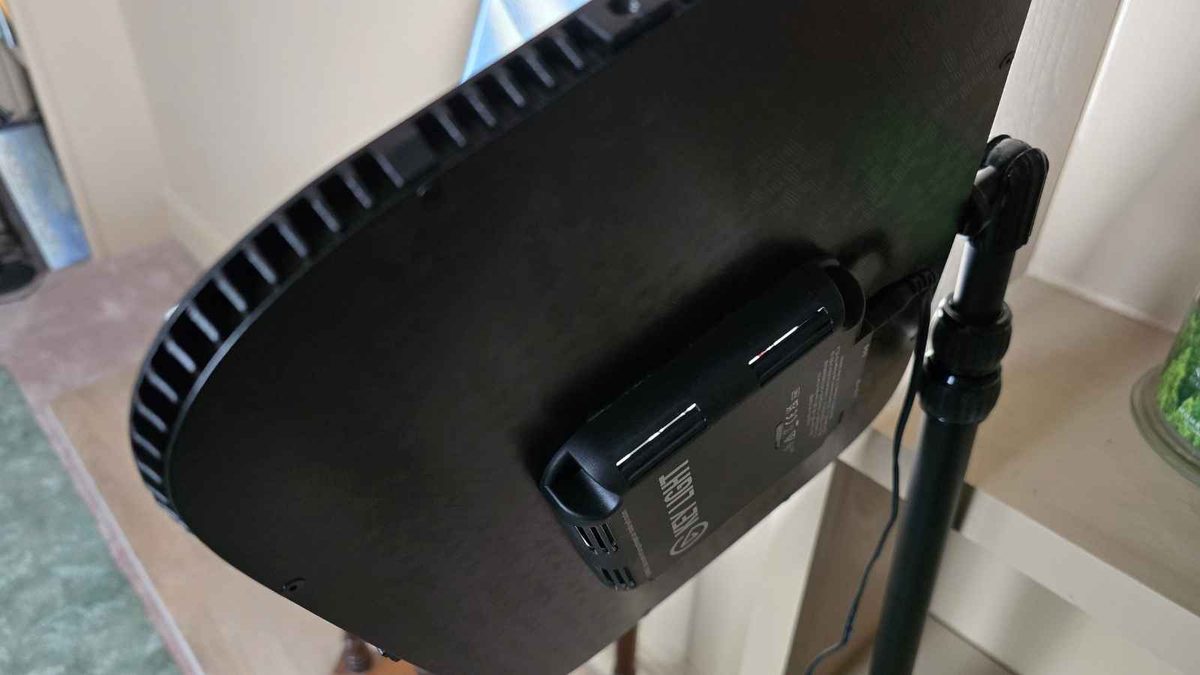
That’s the kind of affiliate gift guide this post is about. If you’re a small business owner or creator using affiliate links, here’s how to build an affiliate gift guide that doesn’t feel salesy around things you’ve actually used, with honest notes on every pick, so it helps your readers and still earns you some commission.
Table of Contents
Why Most Gift Guides Feel Salesy
Most affiliate gift guides feel salesy for a few simple reasons:
- They’re for everyone, so they help no one. “Gifts for her” covers half the planet.
- They’re stuffed. Forty products with one line each tells the reader you were chasing links, not choosing gifts.
- Every pick is “amazing.” If nothing has a downside, nothing sounds believable.
- The picks are clearly random. A product shows up because it pays well or was trending, not because the writer uses it.
- The disclosure is hidden. Tucked in a footer or behind a tiny “disclosure” link, like it’s something to be embarrassed about.
The fix isn’t fancy copywriting. It’s being picky and being honest about what you picked.

Step 1: Pick One Audience and Say Who It’s For
Before you choose a single product, finish this sentence:
“This guide is for ______ who ______.”
For example:
- “This guide is for solo business owners who work from a kitchen table and want their setup to feel less chaotic.”
- “This guide is for new content creators who want better photos and video without buying a studio.”
- “This guide is for the small business owner on your list who’s impossible to shop for.”
Most of the people I write for are solo business owners and bloggers who want to share tools they actually use. The hang-up is usually the same: how do you recommend something without sounding like an ad?
That frame does two things. It tells readers right away if they’re in the right place, and it makes your choices easier, because anything that doesn’t fit the sentence gets cut.
It’s also good for search. A guide focused on “gifts for solo business owners” has a much better shot at ranking (and at being useful) than one more “ultimate holiday gift guide.”
Step 2: Only Recommend What You’ve Actually Used
This is the whole post in one rule. If you haven’t used it, don’t write about it as if you have. That one rule is what keeps an affiliate gift guide from feeling like an ad. If you haven’t used it, don’t write about it as if you have.
It’s not just about trust. The FTC’s guidance for endorsers says it plainly: you can’t talk about your experience with a product you haven’t tried, and if you thought something was mediocre, you can’t call it terrific.
So go through what you actually use:
- What’s on your desk, in your bag, or open on your laptop every day?
- What have you bought twice?
- What have you recommended to a friend without being asked?
- What did you give as a gift last year that went over well?
That list is your shortlist.
What if you want to include something you haven’t tried? Sometimes a reader favorite or a product a friend swears by belongs in the guide. That’s fine. Just say so: “I haven’t used this one myself, but [friend/client] has had it for a year and here’s what she told me.” Never make up your own experience.
Step 3: Keep it Short
There’s no magic number, but for most small business blogs I’d aim for 5 to 10 picks. Enough to give people options, short enough that you can write something real about each one.
A good gut check: if you can’t write three honest sentences about a product, it doesn’t belong in the guide. A short affiliate gift guide is easier to write honestly than a long one.
👉 I keep my own recommendations short on purpose. My tools page isn’t a 40-item dump; it’s the ones I actually use.
Step 4: Write Honest Notes for Every Pick of Your Gift Guide
This is where your guide stops feeling like an ad. For each product, answer the same four questions:
- What it’s for. What problem does it solve, in plain words?
- Who it’s good for. Be specific. “Someone who films on their phone and hates shaky video.”
- What I’d skip / who should skip it. Maybe you’d skip the premium version, or it’s overkill for beginners.
- Caveats. Anything that annoyed you, a learning curve, a subscription after the first year, how long you’ve actually used it.
That “what I’d skip” part is the secret. When you tell readers what not to buy, they believe you about what to buy.
The honest pick template (copy and paste this)
- Use these five prompts for every item in your guide:
- Who it’s for: one specific type of person.
- Why it’s on my list: how you found it and what it changed for you.
- What I’d skip: the upgrade or add-on that isn’t worth it.
- Heads up: any catch, like a learning curve or renewal fee.
- Where to get it: your link, marked (paid link).
Here’s what that looks like with a tool I’ve used and earned from, Link Whisper:
Who it’s for: Bloggers with a growing archive who are tired of hunting for internal links by hand.
Why it’s on my list: I’ve used Link Whisper for over two years on Inspire To Thrive. I worried it would slow down my site. It didn’t.
What I’d skip: If you only have a handful of posts, link them by hand for now.
Heads up: It pays off most once your archive starts to grow. (My Link Whisper affiliate link, paid link.)
I follow the same rule with Peekviewer. It works well for public Instagram content but isn’t reliable for private accounts or DMs, and I say so right next to the link.
See how that sounds like a person? That’s the goal.
Step 5: Write a Disclosure That Doesn’t Kill Trust
A lot of people treat the affiliate disclosure like fine print. I think it’s the opposite. A clear, friendly disclosure tells readers you have nothing to hide.
Here’s what the FTC says in plain terms:
- If you earn a commission when people buy through your links, tell readers clearly, close to the recommendation. The FTC’s own example wording is: “I get commissions for purchases made through links in this post.”
- A disclosure only at the very bottom of the page or behind a “Disclosure” link isn’t enough, because people miss it.
- “Affiliate link” on its own may not be clear to everyone. The FTC says “paid link” right next to a link should work.
- If a brand sent you something for free, say that too, and name the brand: “[Brand] sent me this to try.”
You don’t need legal language. Something like this, near the top of your post, works and still sounds like you:
Quick note before we go any further in: Some links in this guide are affiliate links, which means I earn a small commission if you buy through them, at no extra cost to you. Everything here is something I’ve bought and used myself unless I say otherwise. If a brand sent me something for free, I’ll say so right next to it.
Then add a short “(paid link)” next to each affiliate link in your picks. It’s a few extra words, and readers notice. Every affiliate gift guide needs a clear disclosure before the first link.
Want the full details? The FTC has a short, readable guide, Disclosures 101 for Social Media Influencers, plus the longer Endorsement Guides FAQ.
👉 Also check your affiliate programs’ own terms, since some programs require specific disclosure wording.
Step 6: Lay out the Post so it Reads Like a Conversation
Here’s the simple structure I use:
- A short intro story. Why you made this guide and who it’s for. For me, it started with that Elgato Key Light: one honest recommendation from Ms. Ileane, and the later honest part that it took time to get the lighting right in my office. That’s also a good shape for an affiliate gift guide.
- Your disclosure. Right after the intro, before the first pick.
- Your picks, each using the honest pick template.
- A “skip list” (optional). Two or three popular gifts you tried and wouldn’t buy again, and why. Readers love this, and it builds a lot of trust.
- A soft close. Point people to something useful next, not a “BUY NOW.”
Bonus: How an Honest Affiliate Gift Guide Helps Your SEO and Email List
You don’t have to hard-sell for an affiliate gift guide to do work for your business.
For SEO: Google has said it wants reviews that show real, first-hand experience. Its guidance on writing high-quality reviews emphasizes sharing evidence that you actually used the product and covering its pros and cons. That’s your honest pick template. Google also asks that affiliate links be marked with rel=” sponsored”, which most affiliate link plugins and many website builders can do for you. And keep the year out of your URL so you can update the same post every November.
For email: Don’t blast the whole guide. Send your list one or two picks with the story behind them and link to the full guide. That feels like a note from you, not a catalog.
Affiliate commissions have been an up-and-down money maker for me. I’ve earned through programs like Link Whisper and Peekviewer, but it’s never a straight line month to month. That’s another reason I don’t stuff a guide with products I barely know. A short, honest list holds up better when the income itself already has peaks and valleys.
👉 Link it to your other posts: Gift guides are a natural place to point readers to your deeper content.
Your Turn
Here’s your homework, and it’s a short one. Open a doc, write your “This guide is for ___ who ___” sentence, and list five things you actually use and love. That’s your first draft. Run each one through the honest pick template, and you’re most of the way there.
If you make one this year, I’d love to see it. Drop me a note or share it with me on social. And if you want more help with the affiliate side of your business, start with How To Promote Affiliate Marketing Without Social Media.
You don’t need to sell hard. You just need to be the friend who tells the truth about what’s worth buying.
Want to see what I recommend? Browse my Benable lists.
If you make an affiliate gift guide, I’d love to hear about it in the comments below. 👇
FAQs: Affiliate Gift Guide
It’s a list of products you recommend as gifts, with affiliate links that earn you a small commission when someone buys. The good ones read like advice from a friend, not a catalog.
For most small-business blogs, 5 to 10 picks are plenty. That’s enough to give readers choices and still short enough to say something honest about each one.
You can, but say it plainly: “I haven’t tried this one, but a friend has used it for a year.” Never make up an experience you didn’t have.
Put it near the top of the post, before the first link, and add “(paid link)” next to each affiliate link. A disclosure only in your footer isn’t enough for the FTC.
Disclosure: This Inspire To Thrive blog post may contain affiliate links. I may earn a commission from qualifying purchases at no extra cost to you. Some sections were drafted with AI tools and carefully reviewed/edited by me.
Enjoy this content? Help me show up more often in Google by adding Inspire To Thrive as a Preferred Source: