
You do not need a giant outreach team to earn backlinks without buying links. On Inspire To Thrive, the links that last come from useful pages, a few targeted emails, and content other bloggers can cite. This post is the process I use now: what I stopped doing, what still works for a one-person blog, and how I check new links in Google Search Console.
Estimated reading time: 6 minutes
Table of Contents
Key Takeaways
- You can earn backlinks without buying links if the page is worth citing.
- Guest posts, useful resources, and broken-link emails still work for a one-person blog.
- Internal links and a GSC indexing request help Google find the page.
- Check new links in the Search Console Links report.
- Quality and relevance beat a pile of cheap links.
How to Earn Backlinks Without Buying Links as a Solopreneur
- Publish useful pages other bloggers can cite (guides, checklists, original results).
- Write guest posts on relevant blogs in your niche.
- Use broken-link emails to replace a dead link with a link to your page.
- Add internal links so Google can find the page.
- Share the post and request indexing in Google Search Console.
Find Other Broken Links on Other Relevant Websites
Many SEO experts recommend that if you can find other broken links on relevant websites, you can contact the owner to replace them with your relevant webpage.
Where else can you find broken links?
Using tools like SEMrush or Ahrefs for broken links can help you find other backlinks and identify which are broken. (These tools do cost some money.) But you can also try Ubersuggest for FREE for 7 days.
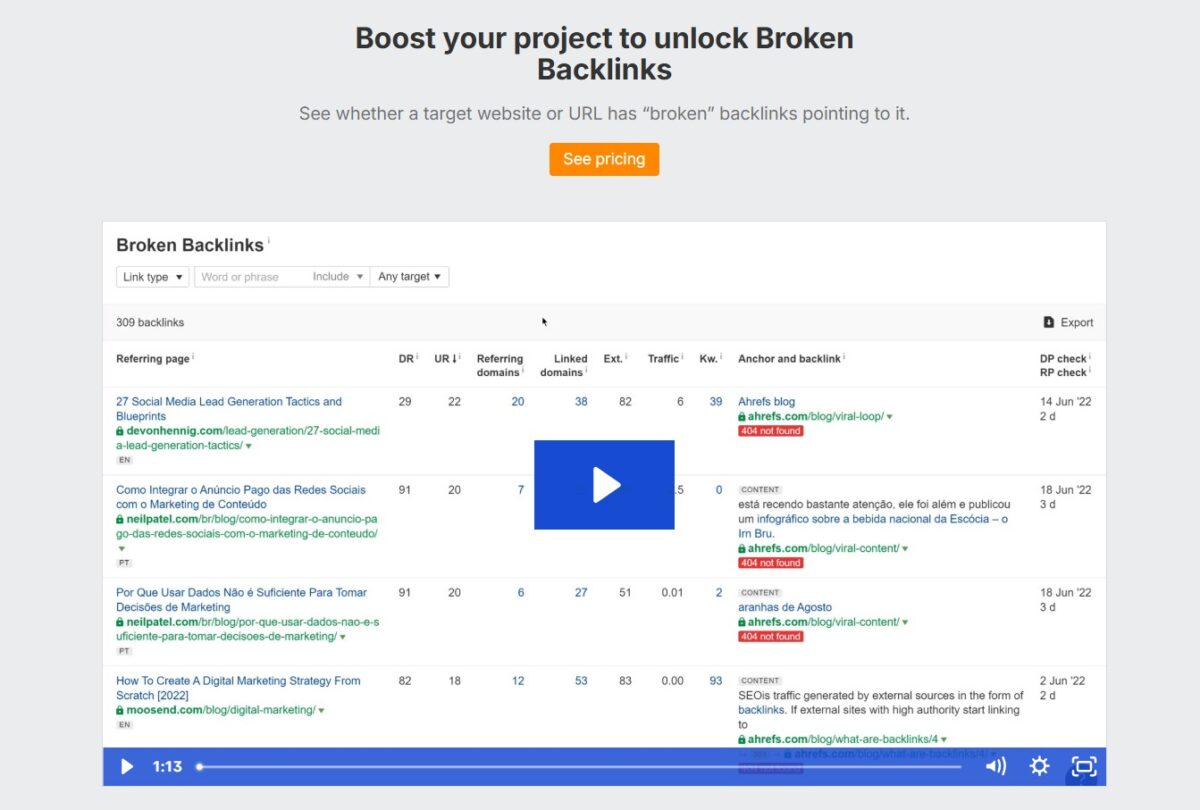
Many website owners do not want broken links as they can hurt their SEO efforts. They will gladly replace a broken link with another that makes sense for their readers.
However, this process can take some time – especially when finding the right person to email to ask them to replace that link with yours.
How To Check Your Backlinks
Do you know how you can check your backlinks? By using the Google Search Console, you can see how many links are going to your website.
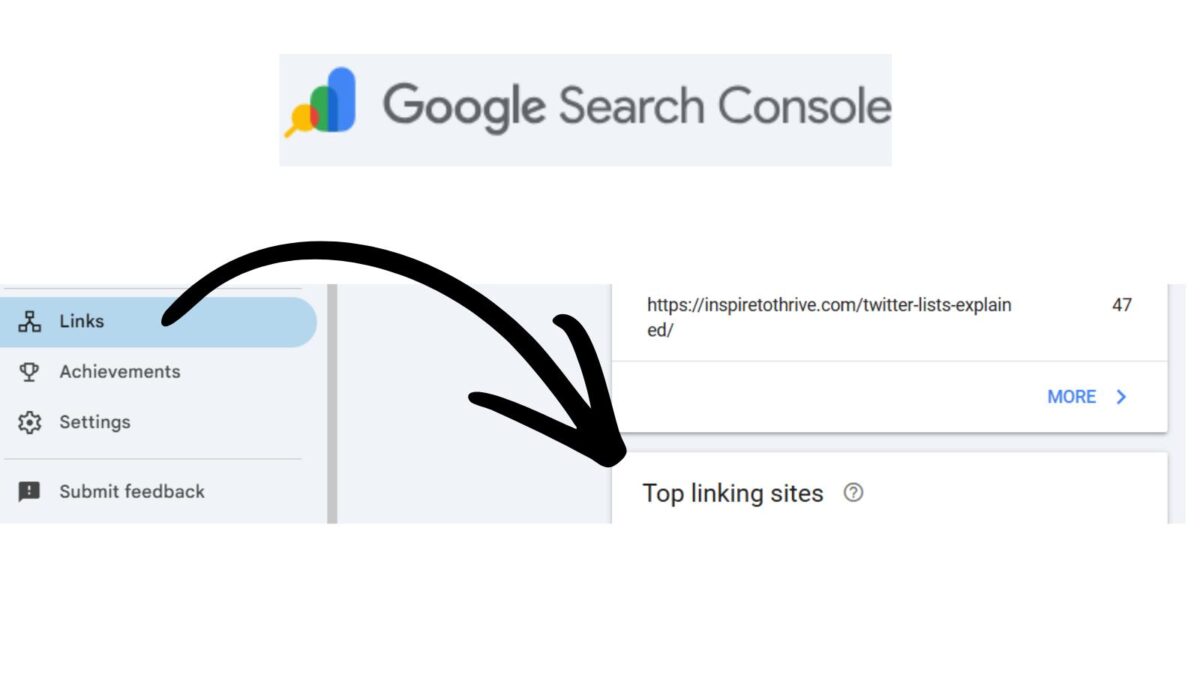
Go to Links, then see your external links to your site. Of course, you may also use Bing Webmaster Tools as well.
Tools to Find Backlinks and Broken Links
There are many other tools you can use to further view backlinks and see backlinks that your competitors have. For example, UberSuggest, Ahrefs, DeadLinkChecker, and SEMrush are among the many tools you can use to check out backlinks of other websites.
You will notice changes from time to time, as some links become more relevant or are moved away from your site. It’s a great way to know who links to you.
Now, there is a new feature that also shows you your latest links.
Quality Backlink Checklist:
To check for quality backlinks, here is a list you can refer to:
- Relevance
- Real traffic
- Editorial context
- Not sitewide spam
- Clean outbound link profile
- Whether the page is indexed
Fixing Broken Links On Your Site
I love using Link Whisper to find and fix both internal and external links on the blog. Read my review of the tool here. It’s a huge timesaver today to find internal and external links while working on blog posts in WordPress.
You can either unlink the link or replace it with another in a matter of seconds.
What To Do After You Publish
- Add 3 internal links from related posts.
- Share the URL.
- Request indexing in Google Search Console.
- Check the Links report in a week.
Your Tips For Us
What other ways do you get backlinks to your website or blog? I’d love to hear about it in the comments below. 👇
Frequently Asked Questions About Generating Backlinks
A backlink is a link from another website to your website. Backlinks matter because search engines use links to discover pages and understand which content other sites choose to reference. Strong links can help improve visibility in search results.
Backlinks (inbound links) come from other websites to yours. Internal links connect one page on your site to another. Outbound links go from your site to another website; you control outbound and internal links, but you do not control backlinks.
Nofollow links (often marked with rel=”nofollow” or rel=”sponsored”) typically do not pass ranking signals the same way as followed links, but they can still drive traffic, increase visibility, and lead to followed links later. A natural backlink profile usually includes a mix of link types.
Use a tool like Ahrefs or Semrush to find broken links on relevant websites in your niche. Then create or match a page on your site that fits the same topic, and email the site owner with the broken URL plus your suggested replacement link.
In Google Search Console, open the Links report and review “Top linking sites” and “Top linked pages.” You can also use tools like Ahrefs, Semrush, or Ubersuggest to see new links, lost links, and competitor backlinks.

Disclosure: This Inspire To Thrive blog post contains affiliate links. I may earn a commission from qualifying purchases at no extra cost to you. Some sections were drafted with AI tools and carefully reviewed/edited by me.
Comments are from previous years; the post was fully updated in September 2026. 👇
Enjoy this content? Help me show up more often in Google by adding Inspire To Thrive as a Preferred Source:

I am here to find the best way to better search rank for my website. Thank you for this detailed post. I will definitely try hard to get backlinks with these methods.
Hi Kristine, welcome to Inspire To Thrive. I hope you found it useful and that you can grow your backlinks. Thanks for coming by and make it a great day ahead.
Hi Lisa,
Backlinks are more about relevance and authority. This is the reason why search engines want us to use natural and positive link building practices.
So to gain authority, one needs authority and relevant backlinks in the most natural way possible.
Thanks!
Hi Gaurav, yes, those are 2 great words to describe the meaning of organic backlinks and their purpose. Thanks for the input and have a great new week!
Yes, no doubt that back links can improve site authority.
It’s very important to get higher site authority (actually domain authority by name) to rank well in search engine. Here Back links playing an important role. Search algorithm counts each signal coming from another site to your site.
Here the equation of site authority- If, Your site authority is-28 and if you got some back links from a few sites with site-authority-80, then your present authority will be shifted quickly.
But, if you got most of the back links from lower site authority (than yours) then, your site authority will be shifted slowly.
No negative marking!
Back links are actually counted as the recommendation by the search engines. So, naturally, if a recommendation coming from an VIP then your reputation will definitely increase. Isn’t it?
Hi Majharul, I usually spam old comments but I had updated old posts and shared them on Twitter so I know that’ how you found it. I like your comment – no negative marketing. You are correction and I’m still wondering is Page Rank or Domain Authority more important these days? SEO has been changing but some of the basics like this remain the same. Thanks for coming by Majharul and commenting on this one. Have a great day!
Hi!
Your website is way too good. I enjoy the valuable data you deliver to your posts. I will save your blog page and look all over again in this article routinely.
Also i hope your post will help me improve my website.
Thanks Faheen, I hope it does as well and welcome to Inspire to Thrive.