
Are you wondering how to improve your Google rankings for your local landscaping business?
Landscaping SEO comes up in almost every online business chat for a reason. Years ago, getting a new site to show up near the top of search engine results pages felt simple. Competition was lighter, and search engines relied more on basic keyword matching.
Now, in 2026, people search online for everything, including local services such as mowing, edging, fertilizing, and cleanup. At the same time, more lawn care companies compete for the same clients. The core ideas behind SEO haven’t changed much, but the way you apply them matters more than ever.
When you show up higher in Google results, you increase organic traffic, calls, form fills, and quote requests. Use the steps below to build a stronger plan and learn how to rank on Google for a lawn care business in a realistic, repeatable way.
Estimated reading time: 7 minutes
Table of Contents
Key Takeaways for Lawn Care SEO
- To improve your ranking on Google, create a clear SEO strategy with defined goals, a targeted service area, and a consistent schedule.
- Adding a blog helps attract organic traffic by addressing common customer questions and showcasing your expertise.
- Focus on local SEO by optimizing your Google Business Profile and creating location-specific pages.
- Ensure your website loads quickly, especially on mobile, to enhance user experience and retain leads.
- Engage in regular backlinking and gather customer reviews to build trust and boost search engine rankings.
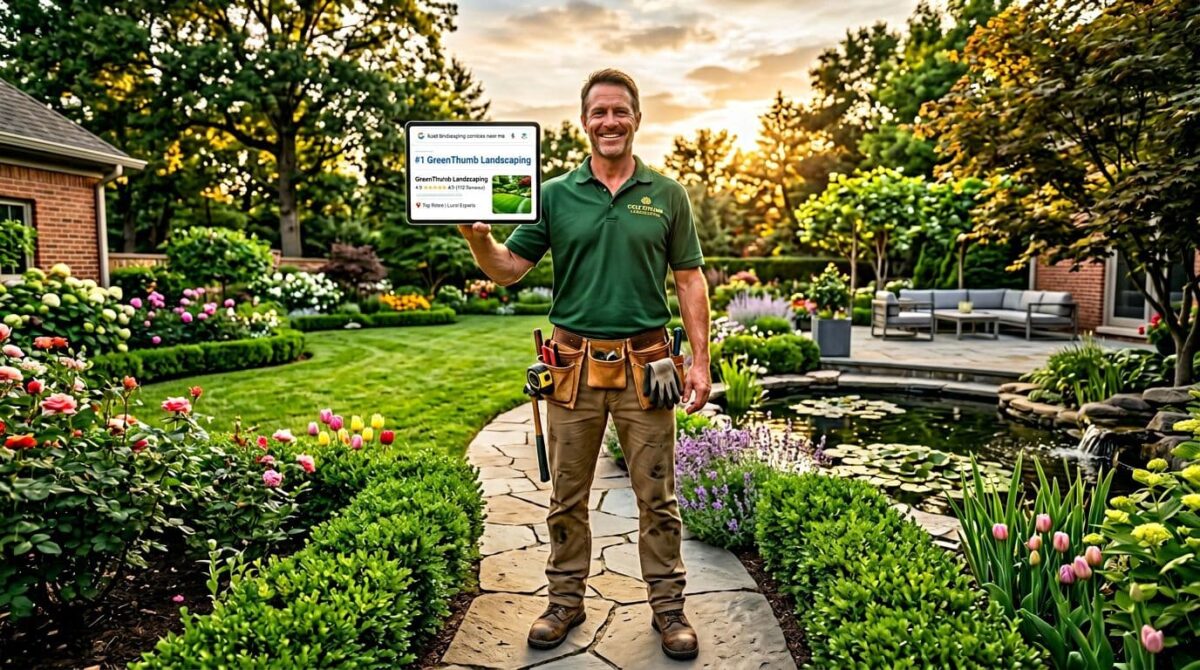
Build an SEO Strategy You Can Stick With
You can’t wing Landscaping SEO and expect steady results. A clear plan helps you use your time well, even if your budget is small.
Start with a simple outline:
- Pick your goals. For example, more quote requests, more calls, or more visits to service pages.
- Know your service area. List the towns, neighborhoods, and zip codes you want to reach.
- Choose your main lawn care services. Mowing, aeration, weed control, mulch installs, leaf cleanup, and so on.
- Set a schedule you can keep. Even one solid update per week beats random bursts of work.
SEO doesn’t have to be expensive. Your biggest investment is time because you need to conduct keyword research into what people search for, what competitors publish, and what your customers care about.
Also, think about how you handle leads after they find you for lead generation. If you use lawn care management software to reply faster, schedule jobs, and keep customer notes, you create a better experience.
Better service leads to reviews and repeat work, which supports your online visibility over time.
Add a Blog to Your Lawn Care Website to Improve Your Ranking on Google
Adding a blog is a smart content marketing move for your lawn care website. It gives you more chances to show up in search results, because each post can target a different topic. It also helps potential customers trust you before they ever call.
Many people aren’t only searching for a provider. They also want quick answers, like:
- When to seed grass in your area
- How often to mow in spring and summer
- What to do about brown patches
- Landscape design tips for small yards
- How to prep a yard for winter
When you publish helpful posts, you drive organic traffic and turn readers into leads. At the same time, your blog shows proof that you know the work, not just the sales pitch.
To keep it easy, build posts around real questions you hear from customers, targeting long-tail keywords that match search intent. Then add photos of your own jobs when you can, because original images build trust.
Work with Google’s Ranking Signals, not Against Them
inspire it believes will help the searcher. That means your content has to match what people want, and your site needs solid technical SEO to feel useful once they land on it.
Here are a few signals you want on your side:
- Helpful content that stays on topic. On-page SEO shines through title tags, meta descriptions, and clear service pages for each offering, rather than a single generic page for everything.
- People stick around and come back. Returning visitors and longer visits can be a good sign that you helped them.
- Clear next steps. Use internal links to make it easy to call, request a quote, or check your service area.
Educational content also supports trust. Post how-to tips, seasonal checklists, and simple yard care guides. Over time, readers start to see you as a steady source of advice, not just another listing.
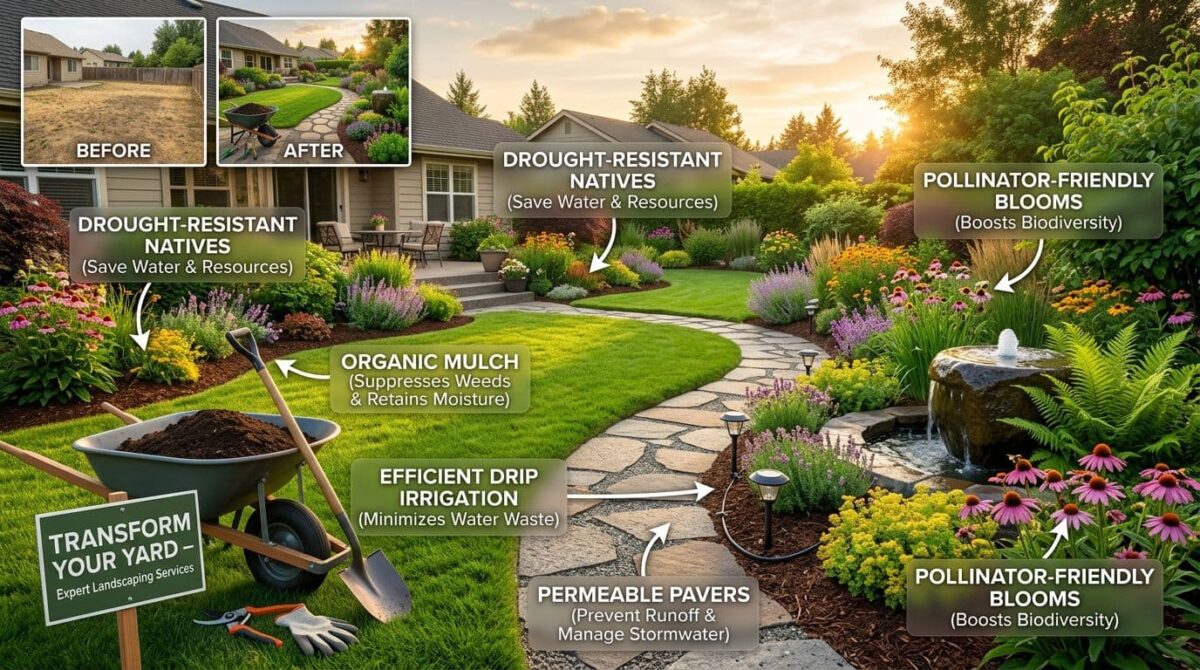
Focus on Local SEO First
Most lawn care searches have local intent. People want someone nearby who can show up on time and understand local grass types, weather shifts, and seasonal needs.
That’s why Local SEO should be a priority if you want to improve your Google ranking and boost local search visibility.
To sharpen your local focus:
- Fully optimize your Google Business Profile to rank in the Google Maps pack.
- Create location-specific pages that mention the areas you serve, using terms customers actually type, such as city names, suburbs, or “near me” searches.
- Keep your contact info consistent by citing NAP across your website, Google Business Profile, and online listings.
Customer reviews also build trust and support better rankings. Backlinks from local sources can help too. Reach out to a local publisher, community site, or neighborhood blog.
Watch the short video below to learn where your link is to ask for reviews:
If they mention your business in a relevant article and link to your site, you gain targeted traffic and more trust with search engines.
Speed Up Your Site (especially on mobile)
Many customers search from their phones while they’re at work or standing in their yard. Site speed is crucial: if your site loads slowly, people leave, and you miss the lead.
Google also pays close attention to mobile performance. Use Google Search Console to monitor performance and mobile errors. So, a faster mobile experience can help you compete with companies that have older or clunky sites.
A few practical improvements make a big difference:
- Choose reliable hosting so your pages load quickly.
- Use a mobile-friendly website design so that buttons and text are legible on small screens.
- Compress large images to avoid slowing load times.
- Keep pages clean and easy to scan, because people scroll fast on phones.
When your site feels quick and easy to use, visitors contact you more often. That engagement also supports your SEO efforts.
Conclusion: Improve Your Ranking on Google for Lawn Care and Other Local Businesses
Online competition is tough, even for local service businesses. Still, you can climb the results with Landscaping SEO if you stick to the basics and apply them with care.
If you want to improve how to rank on Google for lawn care, focus on keyword research, a real strategy, publish useful blog content on lawn care services and landscape design, and put local SEO first with your Google Business Profile.
Then make sure your website loads fast on mobile, because speed and user experience affect both rankings and leads.
Keep it simple, keep it consistent, and track what brings in calls and quote requests for lawn care services. Build backlinks, gather customer reviews, and watch your domain authority grow. Over time, this Landscaping SEO work compounds.


- Other Search Engines Besides Google (2026) - September 16, 2026
- 6 X Habits That Make Regular Account Cleanup Easier - September 16, 2026
- How I Clean My X Account: Unfollow and Pin Posts - September 14, 2026
Enjoy this content? Help me show up more often in Google by adding Inspire To Thrive as a Preferred Source:




Hello Lisa,
SEO plays a great role in ranking a website in search engines. Both on-page and Off-page SEO are very important. I personally focus on creating quality and relevant backlinks to rank well on search engine result pages. Thanks for sharing these helpful tips.
Regards,
Vishwajeet Kumar
Hi Vishwajeet, nice to see you back here. Yes, creating and updating relevant content can surely help your site rank better on the search engines. I’m finding updating older posts work very well. Not only that but they provide more relevant up-to-date content for the readers. Thanks for coming by and have a great day.