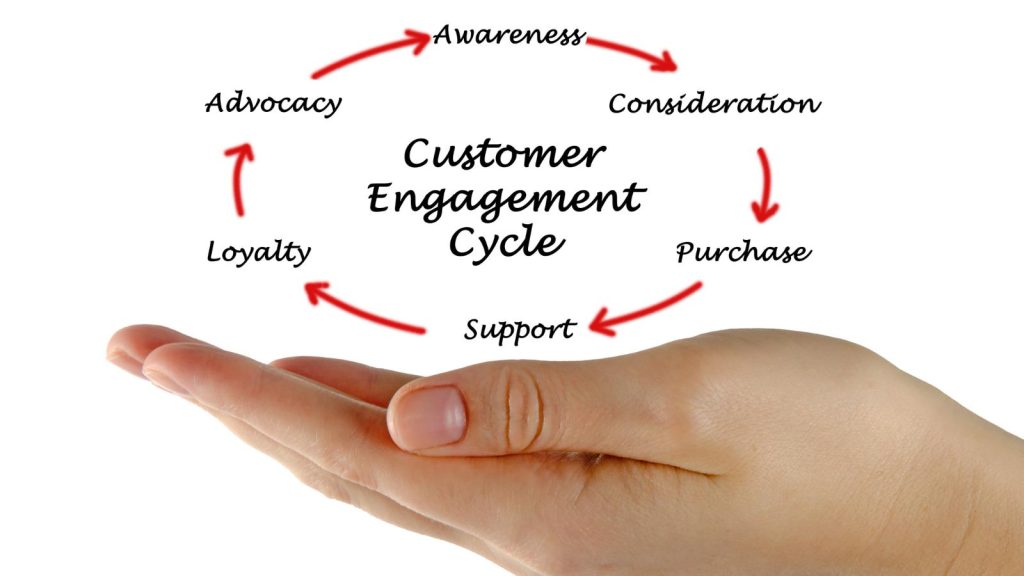
Customer engagement is a key measure of online marketing and overall business success. A customer who engages with the company, its mission, its website, products, and its content is one who will return. They often repeat visiting the website to make repeat purchases. Customer engagement improves customer engagement.
In addition, every company with an online presence must take steps to ensure that customer satisfaction remains high. This should be at every step of the customer journey.
The corporate site must perform well and feature a design that appeals to the company’s target market of clients to improve customer engagement.

Estimated reading time: 8 minutes
Table of Contents
SEO Techniques
The key drivers for achieving customer engagement are using specialist software solutions and following SEO best practices. By using the latest and best SEO techniques, pages will rank higher on organic search results.
The content will be easily accessible over a range of tech devices (such as tablets, smartphones, and PCs).
In this article, I will discuss how software combined with SEO techniques can help ensure customer engagement. Therefore, maintaining high satisfaction levels with your customers.
Cloud-Based Software Improves Customer Engagement
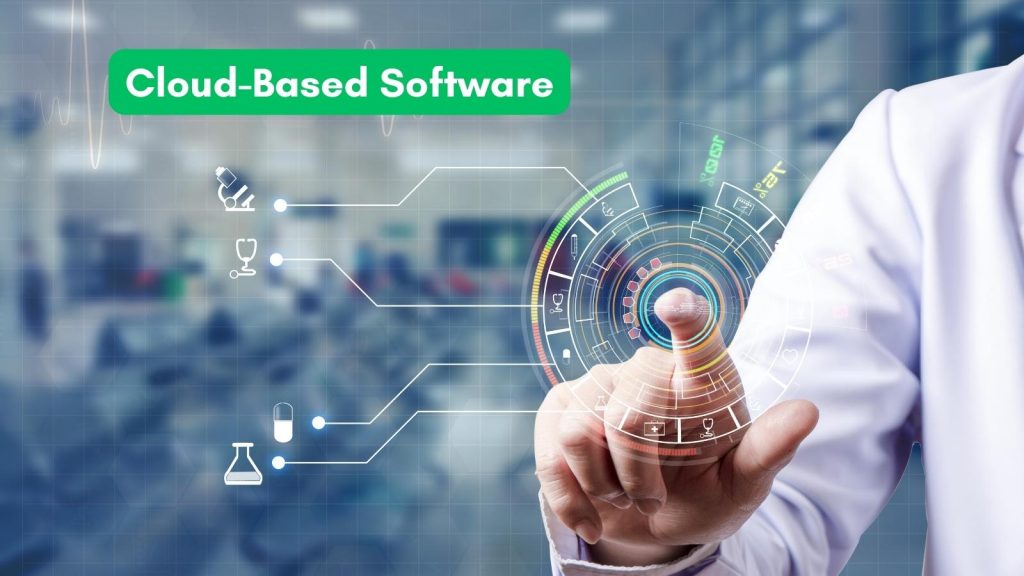
It’s important to understand that cloud-based software solutions and applications will provide the main power and resources for many facets of an online business.
Using high-quality software solutions in web and content design allows businesses to create online offerings. Offerings that meet the needs of their customer base improve customer engagement.
However, as businesses use more cloud-based systems, they increasingly rely on platforms such as Microsoft CSP.
The specialist knowledge needed to ensure that cloud-based systems are used to optimal levels can prove to be a challenge. This happens when many applications work together.
Collaborate With Specialist Company
In these circumstances, it can be highly beneficial to collaborate with a specialist company that can advise on the correct mix of cloud-based applications for your organization. It will allow you to delight your customers and provide them with positive experiences on every online visit.
Such companies can also help you ensure that licensing costs remain competitive, tailored to your requirements.
Keyword Tools To Provide Targeted Content
When creating content for any webpage, it’s paramount to ensure the content appeals to the intended target market. It is to provide an engaging and satisfying reading experience.
In addition, smaller businesses with less visible websites need to avoid writing about topics that already exist. Like websites with a higher volume of traffic and click-throughs. You won’t rank well.
It’s far better to use sophisticated keyword research tools to accurately determine which topics haven’t already been catered to online. It will give your target audience an engaging experience that isn’t found elsewhere.
Using keyword research tools can be an invaluable tool for any business.
Short and Long-Tail Keywords That Improve Customer Engagement
Remember that while short-tail keywords may gain more traffic, the larger online sites will receive most of it.
It can be far more beneficial to use long-tail keywords when creating SEO-powered content. Long-tail keywords are generally three to five words in length. These long-tail keywords also help your site be seen in the AI overviews.
Research your target market to understand their motivations and purchase needs when shopping online. Then tailor your keyword research to their needs and create engaging content.
The right keywords improve customer engagement that funnels sales.
Search Intent with Customer Engagement
Search intent and customer engagement go hand in hand because people act when you match what they came to find. If your post targets informational intent, give a clear answer fast, then add scannable steps, examples, and a simple next action (like trying your FREE Instagram caption generator or grabbing a checklist).
For commercial intent, compare options, show proof (testimonials help), and guide readers to the right service, whether that’s SEO blog content, social media management, or a one-on-one session.
With transactional intent, remove friction, keep the offer near the top, and repeat it naturally so they don’t have to hunt for the link. Meanwhile, you boost engagement by pairing intent-matched content with quick interaction points, such as a prompt to comment on their goal, a click-to-share tip, or a short “try this today” task.
In short, when your content answers the why, the what, and the next step, readers stick around longer, click more, and trust you faster.
To Wrap Up: How Software And SEO Improve Customer Engagement
To sum up, integrating software and SEO can help businesses optimize their websites for search engines and improve customer engagement.
By leveraging tools such as content management systems, AI, and keyword research, companies can create a seamless customer experience that meets their needs and preferences.
Moreover, this approach can lead to higher conversion rates and increased revenue over time. What tools are you using today for your website?
Frequently Asked Questions About How Software Teamed With SEO Improves Customer Engagement
SEO helps people find you, and software helps you keep them interested once they arrive. When you connect the two, you can match search intent with a smoother on-site experience. For example, your SEO work brings in visitors looking for a specific answer, then your software (site search, filters, product recommendations, or a help widget) helps them finish the job fast.
You also get cleaner feedback loops. Your analytics, heatmaps, CRM, and email platform can show what people searched for, which pages they used, and where they dropped off. As a result, you don’t guess what to fix next; you follow the evidence.
Most importantly, software lets you respond in real time. If a visitor lands on a comparison page, you can surface a “book a demo” option. If they hit a support article, you can offer the next best step. Engagement improves because the experience feels relevant.
You don’t need a huge stack; you need the right few tools that support the journey from search to action. Start with what affects the page experience, then follow up.
A practical mix looks like this:
•Analytics (GA4 and Search Console): You see which queries bring traffic, which pages keep attention, and where people bounce.
•On-site search and filtering: You help visitors find what they meant, even if they didn’t land on the perfect page.
•Email marketing and CRM: You turn organic visits into repeat visits with segmented follow-ups (based on pages viewed or offers clicked).
•Chat and help desk tools: You reduce friction when someone has a question, especially on pricing, shipping, or services.
•Testing tools (A/B testing): You improve titles, calls to action, and layouts without rewriting your whole site.
SEO gets the click; these tools help you earn the second click.
Yes, because software can personalize, organize, and route visitors to the right next step, even when the original content stays the same. For example, a WordPress plugin or CMS block can show related posts based on category, tags, or behavior. That keeps readers moving instead of leaving after one page.
You can also use internal search data to spot intent gaps. If people keep searching “pricing” on your blog, add a clear pricing link or a short pricing section near the top of the pages they enter from Google. That’s not a full rewrite, it’s a targeted fix.
Even simple automation helps. If someone lands on a “how to” post from search, your email tool can offer a related checklist or template. The visitor gets help faster, and you get more time on site, more pages per session, and more return visits.
Watch the numbers that reflect real behavior, not vanity. Rankings matter, but they don’t tell you if people enjoy the experience.
A few metrics to track together:
•Organic landing page engagement: Look at engaged sessions, scroll depth, and time on page.
•Pathing and next-page clicks: See whether visitors move to related posts, product pages, or contact pages.
•On-site search usage: High use can be good (people are exploring), but failed searches signal missing content or poor labels.
•Conversion actions from organic: Email sign-ups, contact forms, bookings, or add-to-carts tied to organic traffic.
•Returning visitors from organic: A strong sign that your content and follow-up are working.
If engagement rises while organic traffic stays flat, you’re still winning because you’re getting more value per visit.
Connect the basics first, then improve one high-impact page at a time. If you haven’t already, make sure you’re using Google Search Console and GA4, because they show what people search and what they do after they click.
Next, pick one page that already gets organic traffic (a service page, a popular blog post, or a product category page). Add one software-backed improvement that reduces friction, like a clearer call to action, a simple lead magnet form, better internal links, or a chat option during business hours.
Keep it measurable. Set one goal for that page (more email sign-ups, more clicks to your services, or more contact submissions).





I found your article on the collaboration between software and SEO to enhance customer engagement very informative. Your explanation of how software tools can assist in optimizing SEO strategies was insightful. By leveraging technology, businesses can improve their online presence and connect with customers more effectively. Thanks for sharing this valuable information!
Hi Adavis, thank you, I’m glad you found it informative. SEO to increase customer engagement can really improve a business’s online presence. I appreciate your coming by on this one. Have a great day.