If your blog posts could be swapped out with something AI wrote in 30 seconds, you have a problem. The difference between commodity content, which is generic and easily replicated, and non-commodity content is what makes your blog harder to copy, easier to trust, and more worth reading.
When your work suffers from high LLM replaceability, you lose your unique voice in a crowded blogosphere. Developing a thoughtful digital marketing strategy is essential to surviving in 2026.
You do not need louder content; you need more real content. Here is how to blog with non-commodity content so your posts stand out and keep working for you.
Estimated reading time: 9 minutes
Table of Contents
Key Takeaways
- Prioritize Specificity: Move beyond generic, AI-replaceable information by infusing your posts with personal stories, unique perspectives, and first-hand experiences that cannot be replicated.
- Build a Trust Stack: Establish authority by clearly identifying the human behind the brand, using authentic photos, and creating a strong author presence that creates reader trust.
- Leverage Original Assets: Use your own photos and raw, unpolished video to create multimodal content that serves as proprietary data, setting your work apart from stock images and generic AI output.
- Maintain and Optimize: Keep your site healthy by pruning redundant content, updating old posts to reflect your current expertise, and using technical tools to support, rather than replace, your unique voice.
Know the Difference Between Generic and Non-Commodity Content
Think about paper towels. Anybody can buy them anywhere; that is the definition of commodity content.
Now, consider a handmade scrubby crocheted for someone starting a local cookie business. You cannot walk into a store and buy that exact item because it is personal, specific, and tied to a real person.
That is the mindset you want for your blog. When you shift your strategy toward creating non-commodity content, you are moving away from generic information that anyone can replicate.

When you learn how to blog with non-commodity content, you are not chasing a new fancy label. You are strengthening the core of E-E-A-T, which is a vital cornerstone of Google’s search quality rater guidelines.
By focusing on deep specificity and first-hand experience, you make your work harder to copy. This approach helps your articles surface more effectively in AI Overviews and traditional SERP results.
If AI can produce the same post without your unique stories, photos, or proof, your content is still too generic.
Put Yourself On The Site So People Trust It
Readers want to know who is behind the advice. If you only show a name and hide the face, building trust becomes a slow process.
You can see this in the Rural Area Life example. The blog started out privately, with less personal branding and no strong social presence. Later, I built a trust stack by positioning myself as a subject matter expert.
I added a Rural Life Area YouTube channel, built out an author page, used a distinct photo for the blog, and began sharing more of my personality across the site. I also added Pinterest and Facebook, plus short videos and updated posts.
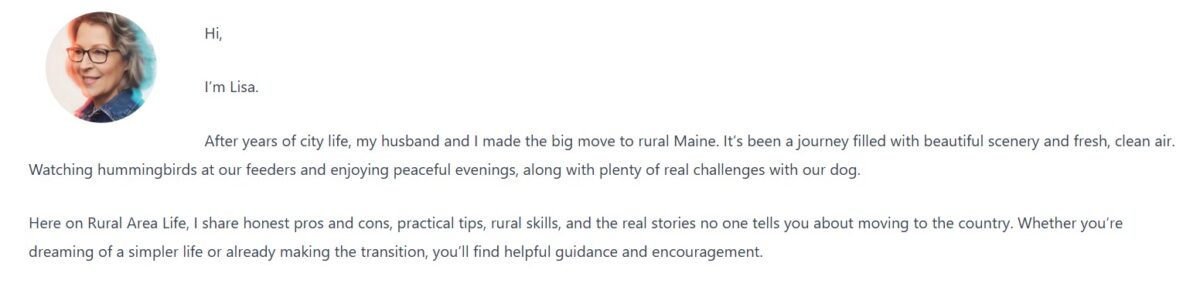
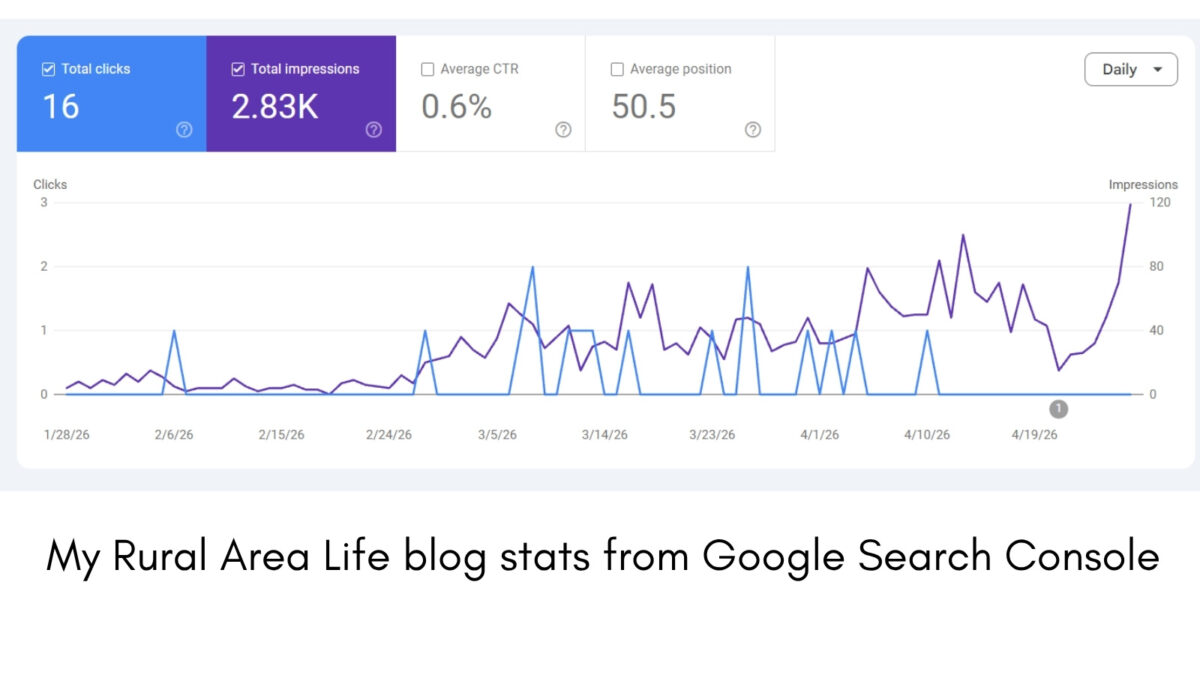
That change mattered. The site saw a significant increase in organic traffic, and the site authority jumped from a domain rating of 2 or 3 to 30 in a short time. You can see more details in this blog growth case study about Rural Area Life on Iispire To Thrive, which serves as one of many successful case studies highlighting the shift from commodity content to non-commodity content.
If you run more than one blog, make each one feel separate. Use different visuals, unique author presentations, and distinct positioning.
Your homepage and about page should offer a unique perspective that clearly shows a real person is behind the site, which is far more effective at building a loyal audience than relying on generic AI-generated content.
Use Real Stories, Photos, and Video People Remember
This is where your blog stops sounding like generic commodity content and starts sounding human. I talked about featuring other bloggers, obtaining permission to use their photos, and creating visuals that align with a shared interest, such as hiking and long walks.

That is a smart way to make collaborative content feel personal instead of stiff. By creating this type of multimodal content, you move beyond the basics and offer something unique.
Your own photos matter because they provide the specificity that readers crave. When you are out walking, take pictures. If something catches your eye, save it for a post.
- A phone camera is enough to capture the real world. These images serve as original research or proprietary data that AI simply cannot replicate.
- If you use AI images, shape them around your real life. Don’t settle for a city backdrop if you live near woods and mountains. Make it look like you, ensuring your brand voice stays consistent. This commitment to first-hand experience is what transforms a standard post into truly helpful content that stands out in a crowded market.
- Video works the same way. Don’t post it once and forget it. Put it on your blog, clip it for X, and reuse it on Instagram and Facebook.
Real video often beats AI video because it shows your voice, your space, and your authentic first-hand experience. My snoring dog Stella, or her dragging out an old teddy bear during filming, is memorable.
By focusing on these human details, you create non-commodity content that no one else can duplicate.
Keep Non-Commodity Content, But Don’t Ignore SEO and Cleanup
You can be a great writer and still miss the mark if you never look at optimization. That is one of the big points here.
Whether you call it technical SEO, GEO, or AI search, it is still about helping search engines index content properly and ensuring your audience trusts what they read.
- I mentioned using The Right Blogger, HubSpot, and Grok to tighten your writing and improve workflow. These tools should help you refine your unique insights rather than encouraging the production of low-quality AI-generated content. Tools can help, but they never replace your first-hand experience.
- You also need to clean house. Update older pillar posts with what you know now, and include an update log to demonstrate your editorial standards. This practice helps you avoid being flagged for abuse of scaled content. If two articles cover almost the same thing, merge them to avoid content cannibalization.
- It is also wise to implement schema markup to help search engines understand your non-commodity content better than they would standard commodity content. Delete old images you no longer use, as this helps your server, CDN, and site speed.
Going from more than 6,000 images to under 5,000 is a lot of cleanup, but it pays off.
A simple way to keep yourself on track:
- Use your own photo on key pages.
- Add stories that AI cannot invent.
- Take original photos whenever you can.
- Repurpose raw video across platforms.
- Prune posts and images that no longer help.
- Focus on E-E-A-T to build long-term authority.

Frequently Asked Questions about Non-Commodity Content
If an AI tool can rewrite your post in seconds without missing any vital information, your content likely lacks a human edge. You should ask yourself if the article contains specific anecdotes, personal photos, or unique opinions that only you could provide based on your lived experience.
Yes, you can use AI to assist with workflow, tightening your writing, or structuring ideas, but it should never be the primary creator of your content. Use these tools to polish your unique insights rather than generating generic filler that lacks the E-E-A-T markers essential for ranking in 2026.
Original visual media provides concrete evidence of your firsthand experience, a key component of Google’s search quality guidelines. These unique assets are difficult for AI to mimic and help build a distinct brand identity that signals to both readers and search engines that your content is authentic and trustworthy.
Don’t let legacy content hurt your current rankings; instead, prune your site by merging duplicate articles and deleting images or posts that no longer provide value. Implement a regular update schedule for your best-performing content, ensuring you include an update log to show readers and search engines that your information is current and professionally managed.
Final Thoughts: Non-Commodity Content
The blogs that stand out now do not feel fake. They feel lived in.
If you want to create non-commodity content, start with what is hardest to fake: your experience, your visuals, your voice, and your odd little real-life moments. This approach is the most effective way to separate your work from basic commodity content that lacks human depth.
By focusing on non-commodity content, you naturally satisfy the E-E-A-T requirements that are increasingly vital for ranking in AI Overviews.
Ultimately, the shift from producing mass-produced commodity content to prioritizing high-quality non-commodity content will define the next era of blogging. By consistently sharing your unique perspective, you will build the lasting authority needed to thrive in a crowded blogosphere.
Disclosure: This Inspire To Thrive blog post contains affiliate links. I may earn a commission from qualifying purchases at no extra cost to you. Some sections/images were drafted with AI tools from real images and content and carefully reviewed/edited by me.

- Instagram SEO Tips to Help Bloggers Get Discovered - October 12, 2026
- Ground News Pricing: Are Pro, Premium, and Vantage Packages Worth It? - October 11, 2026
- Instagram Repost Feature: What Happens When You Share? - October 11, 2026
Enjoy this content? Help me show up more often in Google by adding Inspire To Thrive as a Preferred Source: