If you create content for your blog, the images you choose shape how people see your brand. A strong visual can stop the scroll, support your message, and make your posts feel more real. Because of that, many marketers now compare stock photos with AI-generated stock photos before publishing anything.
Both options can work. Still, they serve different needs.
This Inspire To Thrive guide breaks down the main differences, explains when each option is best suited, and shows you how to choose images that drive better engagement.
Estimated reading time: 12 minutes
Table of Contents
Key Takeaways
- Stock photos of people can make social media marketing feel more human, which helps brands build trust faster.
- Images with faces often attract more attention and can improve engagement on social platforms, especially in busy feeds.
- People-focused visuals can trigger emotional responses, which makes branded content feel more relatable and memorable.
- For small businesses with limited budgets, stock photo libraries offer an affordable way to add high-quality human imagery to marketing content.
- The best stock photos look natural, match your audience, show diversity, and support the post’s message.
Why Images of People Work So Well
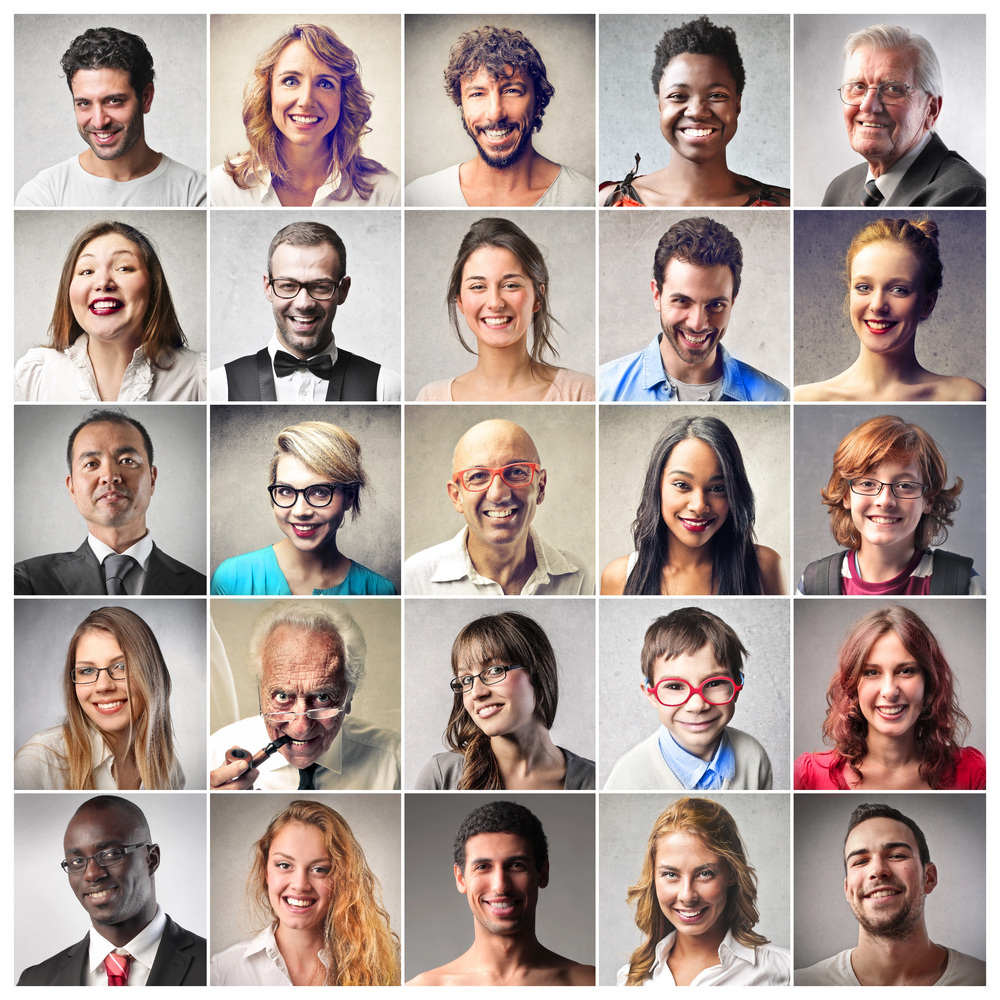
People notice people. That happens fast, even when you’re scrolling through a crowded feed.
Faces catch attention because you’re wired to read expression, mood, and social cues. As a result, high-quality visuals with people often feel more relatable than product-only images or abstract graphics. They can also help you provide context, such as how your product fits into daily life or how your service solves a problem.
For example, instead of using a plain image of a notebook in your marketing materials, you might show someone using it at a desk, in a meeting, or during travel. That scene gives your audience a story, not just an object.
Stock Photo vs. Stock AI Photo: What’s the Difference?
Traditional stock photos give you real people, real settings, and natural emotion. AI stock photos, powered by artificial intelligence, can save time, offer more control, and help when you need a very specific look.
The best choice depends on your brand, your budget, and how much authenticity matters in your content.
Before you choose one, it helps to define both clearly.
Stock photos
Stock photos are pre-shot images created by photographers and uploaded to stock image libraries such as Depositphotos. These images usually feature real people, real places, and real objects.
You license them for business or personal use, depending on the terms.
Stock AI photos
Stock AI photos are AI-generated images offered through image marketplaces or AI image tools. They may look realistic, stylized, or highly polished.
In many cases, they are built from text-to-image prompts rather than from a camera session.
That makes the choice between a stock AI photo and a stock photo less about one being “better” and more about what fits your content goals.
Why Traditional Stock Photos Still Matter
If you want your content to feel believable, stock photos still hold a strong edge.
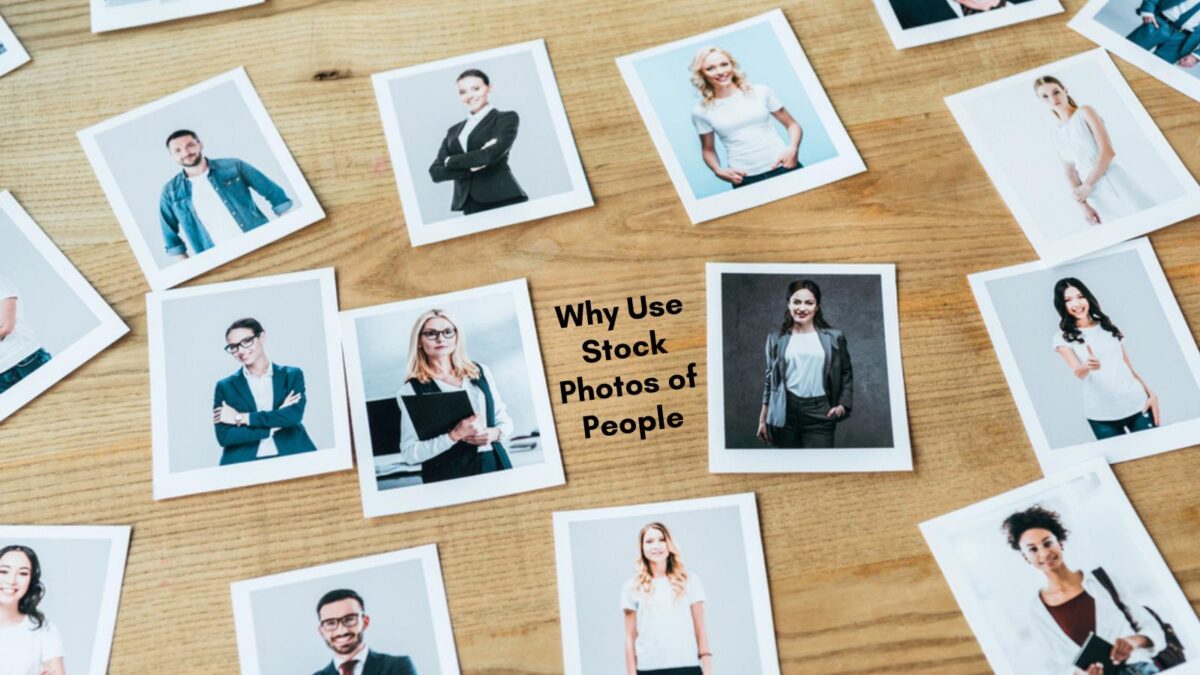
They feel more human
Real expressions are hard to fake. A genuine smile, natural posture, or slightly imperfect setting often feels more trustworthy than a polished AI image. That matters because people respond better to content that looks lived-in and familiar.
They support trust
People buy from brands they trust. Images play a part in that. If your audience sees real-looking people in realistic situations, your content can feel less staged and more honest.
This is especially useful when you share testimonials, case studies, or lifestyle content. Pairing a quote with a believable image often works better than posting text alone.
They’re easy to use across channels
Most stock sites provide royalty-free photos with the file sizes, licenses, and search filters you need for blog posts, social graphics, ads, email marketing, and more. That saves time, especially if you manage content on several platforms.
Why Stock AI Photos Are Getting Popular
Images created by generative AI are now part of everyday content creation. Some businesses solve real problems.
They can save money
A custom photo shoot costs time and money. Even stock photography can become expensive if you need many niche images. AI visuals can lower that cost, especially when you need a quick set of themed graphics.
They give you more control
If you need a very specific scene, an AI image generator can help through prompt engineering. Maybe you want a female entrepreneur in a bright yellow office with plants, soft light, and a laptop on the table.
That exact image may be hard to find in a stock library. AI can build something close to your vision.
They help with creative variety
For blog headers, concept art, or branded visuals, stock AI photos can give you a fresh look. They can also help when you need unusual settings, fantasy-style scenes, or visual metaphors that don’t exist in a typical photo library.
Stock Photos vs. Stock AI Photos for Social Media
On social media, speed matters, but trust matters too. That’s why your image choice should match the type of post you’re sharing.
Use stock photos when you want to:
- Show real-life moments
- Build trust with your audience
- Share customer stories or testimonials
- Create relatable lifestyle posts
- Support service-based or people-first branding
Use stock AI photos when you want to:
- Create concept-driven visuals
- Match a very specific brand style
- Produce graphics quickly
- Fill gaps when stock libraries don’t offer the scene you need
- Test ideas for blog covers or campaign themes
In other words, stock photos often work better for connection, while AI-generated images often work better for flexibility.
How Each Option Affects Engagement
Social platforms use machine learning powered by big data to pay attention to what holds interest. If people stop, click, react, or comment, your content has a better shot at getting seen.
Photos of people often perform well because they pull attention quickly. Faces, eye contact, and emotion can increase interest in a crowded feed. That matters on platforms like Instagram, Facebook, LinkedIn, and X.

AI images can also perform well, especially when they look polished or unusual enough to spark curiosity. However, if the image feels fake, over-smoothed, or slightly off, people may scroll past it. In some cases, they may trust your content less.
Because of that, the stock AI photo vs. stock photo decision isn’t just a visual one. It’s also about credibility, providing essential business intelligence for strategic content decisions.
What Younger Audiences Care About
If your audience includes Millennials or Gen Z, your visuals need to feel real.
- These groups spend a lot of time on platforms, and they notice when content looks forced.
- Amid the digital transformation driven by AI innovation in content creation, they don’t reject AI.
- Many are comfortable with artificial intelligence-made content.
- Still, they usually respond better when brands are clear, honest, and visually consistent.
If you use AI images, they should still match your voice and avoid that strange, artificial look. For social commerce and discovery, authentic visuals still do a lot of the heavy lifting.
Pros and Cons of Stock Photos
Pros
- You get real people and real emotion
- Your content often feels more trustworthy
- Traditional libraries offer royalty-free images with broad licensing for commercial purposes
- Search filters make it easier to find usable images
- They work well for blogs, ads, email, and posts
Cons
- Popular images can appear on many websites
- Some photos look staged or outdated
- You may struggle to find niche scenes
- Costs can add up if you need many downloads
Pros and Cons of Stock AI Photos
Pros
- You can create highly specific scenes
- They often cost less than custom shoots
- You can create unique AI images that match your brand colors and style more closely
- They work well for abstract or concept-based content
- You can create images quickly

Cons
- Some images look unnatural
- Hands, eyes, and facial details may still appear odd, though AI-editing tools can help fix them
- They may weaken trust if they feel fake
- Licensing and usage rules vary by platform
- They are not always the best fit for testimonial or human-centered content
How to Choose the Right Image for Your Brand
A good image does more than fill space. It should support the message, match your audience, and fit your brand tone. Business intelligence helps highlight the need for strategic visual choices that connect deeply.
Here are a few simple ways to choose better visuals.
Know who you want to reach
Start with your audience. If you market to business owners, choose images that reflect their world. If you speak to busy moms, creators, or local shoppers, show scenes they recognize.
Choose natural over overly posed
Some stock photos still look stiff. Some AI images look too perfect.
In both cases, that can hurt trust. Pick visuals with believable body language, relaxed settings, and expressions that feel real.
Show a range of people
Your content should reflect the people you serve. Include different ages, backgrounds, styles, and settings.
That makes your brand feel more welcoming and more accurate.
Match the emotion to the post
Think about the mood you want to create. A cheerful image can support a product launch. A calm one may fit an educational blog post.
A confident portrait may work best for service promotion.
Keep your brand style in mind
Use color, lighting, and composition that fit your brand, including corporate planning as a key factor. If your feed is bright and clean, don’t choose dark, moody photos.
If your blog feels warm and personal, don’t use cold, glossy visuals unless they serve a purpose.
Where Stock Marketplaces Help
Stock image libraries make this process easier because you can search by age, location, gender, ethnicity, color, orientation, and more. On platforms like Depositphotos, those filters, along with image resolutions and an upscaling service, help you narrow down options fast.
A premium subscription unlocks their expansive creative library.
That matters when you publish often and need content that stays consistent.
If you’re comparing stock AI photos vs. stock photos, also review the license before you download. Some libraries clearly mark AI-generated content, while others mix it into broader search results. You should always know what you’re using.
Best Use Cases for Stock Photos
Stock photos, especially royalty-free photos, usually make more sense when you need:
- Social proof graphics
- Blog post images with a human touch
- Service page visuals
- Website design elements
- Email marketing banners
- Graphics for professional collaboration
- Visuals for corporate planning
They are also a safer pick when you want your content to feel grounded and familiar.
Best Use Cases for Stock AI Photos
Stock AI photos, much like data science in analyzing patterns or a virtual assistant in streamlining tasks, can enhance creative workflows when you need:
- Artistic blog headers
- Branded concept visuals for marketing materials
- Uncommon scenes that stock sites don’t offer, via unique AI images
- Fast image production for testing
- Creative assets powered by AI innovation for campaigns with a strong visual theme
They work best when you use them on purpose, not just because they are easy to generate.
My favorite of them is The Right Blogger tools for generating AI images. I love all their tools and became an affiliate for them.
I designed the Inspire To Thrive logo shown below with the Right Blogger AI image generator a few months ago.

A Simple Way To Decide
If your post depends on trust, use a real-looking stock photo first.
If your post depends on style, speed, or a hard-to-find concept, a stock AI image may be the better fit.
For many bloggers and small businesses, the smartest move is to use both through professional collaboration. You can rely on stock photos for human connection, then add artificial intelligence visuals where you need something custom or more creative.
At Inspire To Thrive, I find that balance often gives you the best of both: authentic content when trust matters, flexible design from your creative library when originality matters, and momentum for digital transformation.
Disclosure: This Inspire T0 Thrive blog post contains affiliate links. I may earn a commission from qualifying purchases at no extra cost to you. Some sections were drafted with AI tools and carefully reviewed/edited by me.
Frequently Asked Questions About Stock Photos of People for Marketing
Photos of people tend to grab attention faster because users naturally notice faces and expressions. They also make content feel more personal, which can help your brand seem more trustworthy and relatable.
They can, especially when the image feels real and matches the audience’s interests. The article cites research showing that images with faces can increase engagement on X, while strong people-focused visuals also help hold attention across social feeds.
Pick images that look natural, fit your target audience, and reflect real emotions. It also helps to choose diverse visuals and use filters to match your brand style, colors, and campaign goals.
They’re a practical choice when custom shoots are too expensive or time-consuming. Stock libraries give small businesses access to licensed, ready-to-use visuals in different formats and styles.
Use images that support a clear story, such as solving a problem or showing a real-life result. Avoid stiff poses, forced smiles, and overly polished scenes that feel like ads instead of genuine moments.

- Instagram Reel Length 2026: Is 90 Seconds Too Long? Best Lengths, Limits & Testing Tips - October 2, 2026
- How to Build a Traffic Pipeline from Instagram to Your Blog or Store - October 1, 2026
- Instagram Tools Aren’t One-Size-Fits-All: Match the Tool to the Job - September 30, 2026
Enjoy this content? Help me show up more often in Google by adding Inspire To Thrive as a Preferred Source: