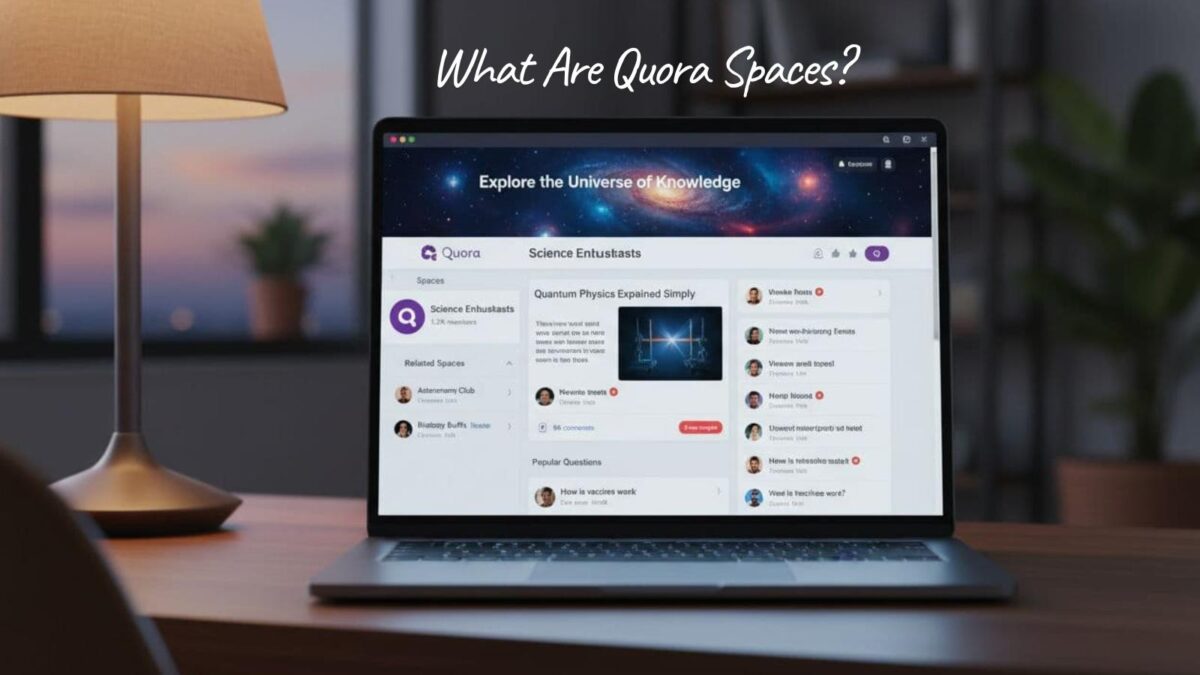
If you’ve been using Quora, the social media platform, for any amount of time, you’ve probably noticed that it’s not just questions and answers anymore. Quora spaces are topic-based communities within Quora, centered on shared interests, where content creators post, answer, ask questions, and participate in discussions in one place.
Think of a Quora space as a group blog and a mini forum combined, built around a single clear topic.
As a blogger, that sounds tempting. A ready-made audience, conversations you can join, and content ideas everywhere you look. But it can also become another tab you keep open and never truly use.
Here you’ll learn what Quora spaces are, what they can do for your blog, and how to decide if it’s worth your time.
Estimated reading time: 12 minutes
Table of Contents
Key Takeaways
- Quora spaces are topic-based communities within Quora that combine elements of group blogs and forums.
- You can create a Quora space for full control, or join an existing space for faster exposure.
- Successful content includes quality, specific posts, curated answers, and engaging discussions, while low-effort content risks downvotes.
- As an admin, set clear rules and maintain moderation to keep the space focused and valuable for followers.
- To manage a space effectively, adopt a simple routine of posting, curating, and engaging without overwhelming your schedule.
What Quora Spaces are, and how they work day to day
Quora Spaces are curated communities built around topics such as “freelance writing,” “homeschooling,” or “email marketing.” People follow the Space, and its content then appears in their Quora feed alongside other content they follow.
If you want the official view of Quora Spaces, Quora provides an overview that explains the basics, including setup and growth ideas.
Day to day, a Quora Space feels simple:
- Followers see a stream of content in that Space, plus post updates in their feed.
- Creators (admins) shape what gets posted, curate answers, set rules, and handle admin tasks like oversight.
- Contributors (if allowed) add content to the Space, sometimes without approval, sometimes with it, helping other contributors participate.
Following a Space is passive. You’re subscribing to a topic. Contributing is active. You’re putting your ideas into that topic stream where people can upvote, comment, save, and share.
➡️How does content get seen? Mostly through:
- The Quora feed (people browsing what Quora recommends)
- Space followers (your “built-in” distribution inside Quora)
- Engagement signals like upvotes, comments, and reshares
- Relevant topics, when your post fits what someone already reads on relevant topics
It also helps to understand Quora itself, not just Spaces. If you’re still getting familiar with how the platform works, start with this guide on what Quora is and how it helps businesses.
One more practical point for January 2026: There haven’t been big new Space features announced lately, but Quora’s platform tweaks matter to bloggers.
- Cleaner navigation
- AI-generated question summaries
- Tougher spam filtering all influences what gets attention and what gets ignored
What you can post in a Space (and what usually performs best)
Spaces support a few main content types, each suited to a different blogger’s goal.
Space posts are like short blog posts within Quora. They often do well when they’re tight, helpful, and written for skimmers.
Example: “A 5-minute checklist for cleaning up your blog’s About page.”
Curated Quora answers: You can share your best questions and answers (or someone else’s) in your Space. This is great for building a “best of” library, where you curate content.
Example: your strongest answer to “How do I get blog traffic without social media?”
Questions and discussions: These spark comments that can quickly build a community, especially around questions and answers.
Example: “What’s one blog task you keep putting off, and why?”
In most niches, high-quality, useful, and specific content performs best. How-to tips, short stories with a lesson, quick lists, and opinions backed by proof tend to get more saves and shares than vague motivation.
If you post low-effort content or go off-topic, people won’t just scroll past; they may downvote and stop trusting your Space.
Who runs a Space, who can post, and how moderation works
Every Space has at least one admin (the owner), who acts as the primary moderator. Admins can add contributors, set posting rules, and remove content that doesn’t meet them.
Some Spaces are open to anyone, but many are curated, meaning posts go into a review queue before moderators approve them.
If you run a Space, rules aren’t there to sound strict. They’re there so followers know what they’ll get.
A simple rule like “No promo posts, links only when they add context” can help keep your Space from becoming a pile of dropped URLs. For creators, this focus also opens doors to monetization through engaged audiences.
➡️To avoid looking spammy:
- Post content that stands alone, even without a link.
- Don’t push your blog in every post. (Something I’ve forgotten from time to time.)
- Reply to comments like a person, not a brand account.
Quora’s moderation has also tightened over time, mixing automation with human review by moderators. That’s good for readers, but it means your Space will do better when it stays focused and clean.
Should you create a Quora Space for your blog, or just join existing ones?
This decision comes down to one thing: do you want a home base you manage as the space owner, or do you want access to rooms already occupied?
Creating your own Quora Space gives you full control, while joining existing Quora spaces offers quicker exposure.
➡️Start with a simple framework:
- Niche clarity: Can you describe your topic in one sentence?
- Time to curate: Can you post or curate weekly?
- Comfort moderating: Are you okay saying “no” to off-topic posts?
- What success means: More followers, more authority, more email signups from your target audience, or steady referral clicks?
It also helps to think beyond Quora itself. Quora content can appear in Google search results and, in some cases, be included in AI-driven summaries to drive organic traffic.
If you care about that kind of visibility, read this guide on getting Quora content into Google AI Overviews, since it changes how you write and format your posts and answers.
Create your own Space if you want a niche home base, you can grow
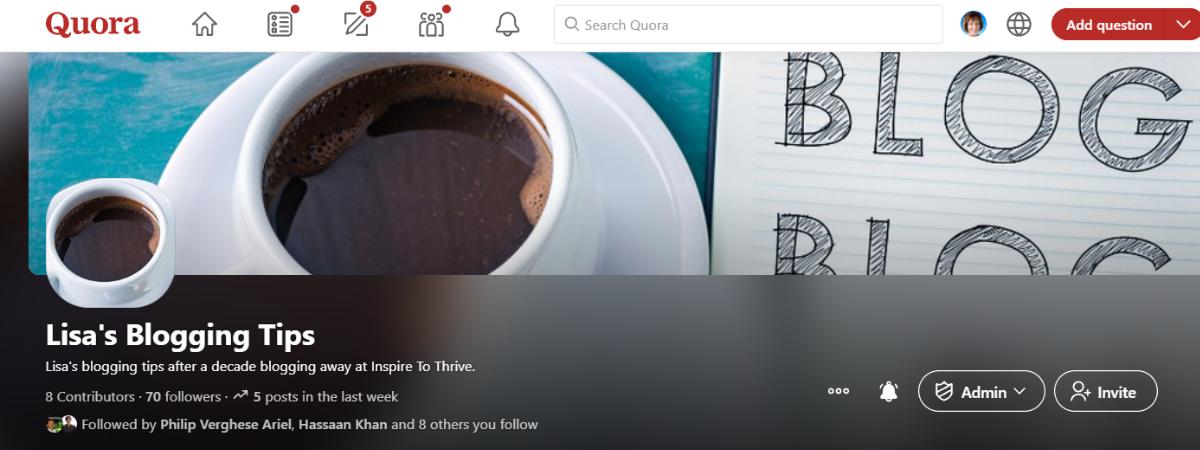
Creating a Space makes sense if you want a place you control inside Quora as the space owner and are willing to feed it. You can follow my blogging space here.
It’s especially appealing to bloggers looking to monetize, with opportunities like the Quora Partner Program that enable revenue sharing.
➡️It’s a strong fit if:
- You write about one main topic, not ten unrelated ones.
- You can publish or curate once a week.
- You like community building, not just broadcasting.
- You have older posts you can repurpose into Quora answers and short Space posts.
- You want a low-risk way to test blog topics before writing the full post.
A Space can act like a content hub, but only if you show up consistently. If you create it and vanish, it’s like opening a shop and never unlocking the door.
Join other Spaces if you want a faster reach with less work
Joining established Spaces can be the quickest way to reach niche communities where people already share interests in your topic. Instead of trying to attract followers to a new Space, you contribute where the audience already exists.
➡️ When you’re picking Spaces to join, look for:
- Recent activity (posts in the last week or two)
- Clear rules and a focused topic
- High-quality comments showing real engagement, not one-word replies
- A vibe that fits your writing style
Some popular Spaces require approval to post, and that’s usually a good sign. It filters out noise.
If you want practical writing tips from someone who’s spent time inside Spaces, this tutorial on writing for Quora Spaces is a useful read. Just don’t rely on one Space for all your traffic. Treat it like a channel, not your whole plan.
How to start and run a Space without it taking over your week
The biggest mistake bloggers make with Quora Spaces is treating them like a full blog. You don’t need that. You need a small system that you can repeat.
A Quora Space stays healthy when, in managing a space, you focus on three habits: post something helpful, keep the topic tight, and interact enough that people feel seen.
A simple setup checklist for managing a space: topic, description, rules, and first posts
➡️Before you invite contributors, set up the basics:
- Pick one clear topic from relevant topics (narrow beats broad).
- Write a one-sentence promise (what followers will get).
- Add a cover image that matches the topic.
- Set simple rules (no sharing links and stay on topic).
- Publish 3 starter posts with high-quality content to avoid making it look empty.
- Curate 3 strong answers that match your focus.
- Pin a welcome post that explains who it’s for.
If your niche is “blogging,” narrow it to something like “blogging systems for busy small business owners.” The right people will stick around and support your digital marketing strategy.
A weekly routine you can actually stick to (30 minutes at a time)
Keep it boring on purpose. Boring is sustainable for managing a space.
➡️In one 30-minute block each week:
- Add one new Quora Spaces post or curated answer.
- Reply to comments (even two thoughtful replies help).
- Invite contributors, but only if they fit your topic.
- Review any pending posts in the queue.
- Turn one blog idea into a Quora answer draft for later, and check on your contributor invites.
For growth, consider using Quora ads alongside organic efforts. Track light signals of engagement, not fantasies: follower growth, saves, comments, profile visits, subscription activity, and occasional clicks to your site.
Some weeks will be quiet. That’s normal.

Conclusion: Using Quora Spaces with Your Blog
Quora Spaces can be a smart add-on for content creators’ blogging routines, but only when you treat them like a focused side channel for community building, not a second full-time job.
If you want a niche home base for your target audience, and you enjoy public conversations, start a Space and grow your followers slowly.
But if you want to reach without the admin work, join a few active Spaces and contribute where your readers already hang out on relevant topics. And if you’re already stretched thin, it’s fine to skip for now.
Your next step is simple: pick a narrow topic, curate content with a short Space description, and publish one helpful question-and-answer post this week to boost engagement, monetization, and earnings.
Frequently Asked Questions About Quora Spaces: What They Are and Whether You Should Start One
A Quora Space is a topic-based community inside Quora where posts are collected in one place. Your profile is about you, your answers, and your credibility across Quora. A Space is about a theme (like blogging, SEO, or small business marketing) and the content you curate around it.
Spaces can include posts, shared links, and (depending on the Space settings) contributions from other members. You can run a Space solo or invite others to help create and moderate content. If you want a home for your niche that’s not tied to your personal posting history, a Space gives you that structure.
Start one if you want a simple way to build authority around a specific blog topic and keep your best ideas grouped together. A Space can work well when you already publish regularly, and you can turn posts into Quora-friendly pieces (shorter, clearer, and focused on one question or takeaway).
It’s also a good fit if you like curating, for example, collecting strong resources on keyword research, content planning, or social media prompts. If you’re stretched thin, don’t start a Space “just because.” An inactive Space doesn’t help you, and it can dilute your focus. You’ll get better results by answering questions consistently first, then building a Space once you know what your audience responds to.
Treat your Space like a mini-publication, not a link dump. You can share blog links, but balance them with native Quora posts that stand on their own. The safest approach is to publish useful content first, then add a link only when it truly adds depth.
A practical mix usually includes short how-to posts, checklists in paragraph form, personal lessons from running a blog, and curated links to helpful resources (including other creators, not just you). If you share your own posts, add a quick summary and a clear reason for someone to click. That keeps trust high and bounce low.
Growth usually comes from two places: distribution inside Quora and consistency. You can invite people who already engage with your answers, and you can share your Space when you publish a post that fits the Space topic.
You’ll also grow faster when your Space has a clear promise. “SEO for small business blogs” is easier to follow than “Marketing stuff.” Keep your posting schedule realistic, even if it’s once a week. And don’t ignore engagement, reply to comments, ask for submissions if you allow them, and set basic rules so the Space doesn’t turn into a promo free-for-all.
It depends on what Quora is offering at the time and what your account qualifies for. Quora has run different programs and features over the years, and availability can vary by location and account status. If monetization is your main goal, check Quora’s official updates and the Quora Help Center before you plan around it.
That said, a Space can still generate income indirectly. You can use it to build your reputation, get traffic to your best resources, and attract clients or subscribers when your content shows clear expertise. If you’re offering services, focus on being genuinely helpful first, then make it easy for people to find your next step (like your site or newsletter).


- Stock Photos vs. Stock AI Photos for Social Media and Blogging - April 4, 2026
- See Who Views Your Instagram Profile: Best Apps & What Actually Works (2026) - April 4, 2026
- How To Pin A Post On X Today: Boost Your Visibility Up - April 3, 2026