
Social media algorithms shift, features roll out, and platforms change their minds weekly. Still, the biggest social media marketing slip-ups are basic, and they quietly cost you reach, clicks, trust, and your social media presence.
If you’re a marketer or blogger managing social media platforms, you don’t need a 40-page social media strategy to improve results this week.
You need a short, practical reset: sound more human, prioritize profile optimization, post with purpose, stay consistent, and protect the path from post to purchase.
Estimated reading time: 6 minutes
Table of Contents
Key Takeaways
- Social media marketing slip-ups include posting like a billboard, ignoring your audience, and using the same content across platforms.
- Implement a 3:1 value-to-promo ratio for posts to effectively engage the audience.
- Avoid inconsistent posting; aim for a realistic frequency of 3 posts per week with daily engagement.
- Ensure landing pages are fast, clear, and functional to avoid losing potential customers.
- Respond to comments and DMs promptly to maintain trust and enhance customer engagement.

Posting Like a Billboard Instead of a Real Person
Talking only about yourself (and forgetting the audience’s problem)
In social media marketing, if your feed reads like a press release, people scroll past. They’re not hunting for your updates; they’re trying to solve something for your target audience: get leads, save time, look smarter, sell more.
A simple fix is a 3-to-1 value-to-promo ratio as part of your content strategy. For every “buy my thing” post, publish three that help without asking.
Good “value posts” are easy to rotate:
- A quick how-to that answers one common question
- A template (caption ideas, content plan, outreach DM)
- Influencer marketing insights with one clear step to try today
Sounding the same everywhere, even when each platform has its own culture
Copy-paste posts usually underperform because each platform rewards different behavior based on unique demographics. Keep the idea, change the packaging to deliver authenticity.
Try one tweak per channel: a sharp hook on X, visual content on Instagram, search-friendly captions on TikTok, a conversation starter on LinkedIn (end with a real opinion question, not “thoughts?”), or polls sparking discussion in Facebook groups.
Quality and Consistency Problems That Quietly Tank Social Media Performance
Common social media mistakes in quality and consistency quietly tank performance.
Chasing trends that do not fit your niche or your offer
Trends can bring views, but the wrong views create what I call trend debt: brands fail, followers are random, the grid is messy, and weak leads never convert. If you want a broader list of common missteps teams keep repeating, skim social media marketing mistakes to avoid in 2026, and compare it to your last 30 days.
Before you join any trend, ensure it aligns with your social media strategy, then run a fast filter:
Audience fit (would your buyer care), brand fit (does it match your voice), and CTA fit (can you suggest a next step that makes sense).
Inconsistent posting, then blaming the algorithm
When you post in bursts, you never build a baseline. That means you can’t use social media analytics to learn what topics, hooks, and formats actually work.
A realistic posting frequency for small teams is 3 posts per week, plus 10 minutes of daily engagement (reply, comment, DM follow-ups). Batch your evergreen content in one sitting, then plug it into a simple calendar so you’re not inventing posts at 9:07 a.m. (or blaming the social media algorithms).
Avoidable Trust Killers: Links, Comments, and Credibility
Sending people to slow, broken, or confusing landing pages
Your post can be strong and still fail at the click. Common issues include:
- Slow mobile load times
- Too many links (I’ve been guilty of that one)
- No clear next step
- An offer that’s expired

Use a pre-campaign “link check” routine: tap the link on your phone, read the page as if you were a stranger, and ask, “What should I do next?” If it’s not obvious in five seconds, fix it.
Ignoring comments and DMs, or replying in a way that starts fights
Ignoring comments and DMs undermines customer engagement; silence can make it look like you don’t care. Snappy replies look worse and can lead to posting inappropriate content. Aim for same-day responses when possible, and move tense threads to DM.
Leverage social listening as a proactive method for monitoring and responding to comments.
Use a simple framework: thank, answer with transparency, next step. It keeps you calm and keeps the conversation moving. For teams, establish a social media policy to ensure consistency in replies. Poor reputation management like this can spark a pr crisis.
Conclusion: Social Media Mistakes to Avoid
Most social media marketing slip-ups come down to three things: be useful, be consistent, and protect trust and customer engagement from first impression to final click. Growth can be slow, but you can still sharpen your social media presence and convert.
This week, do these small moves:
- Pick one mistake to fix and stick with it for 7 days
- Update your link path (mobile first)
- Set a simple posting cadence you can actually keep
- Explore employee advocacy for authentic amplification
Frequently Asked Questions About Social Media Marketing Slip-Ups
You’ll usually see the same patterns cause the biggest headaches: posting without a clear goal, talking at people instead of with them, and treating every platform the same.
If most of your posts push an offer, a link, or a call to buy, people can feel it. You’ll often notice lower engagement, fewer saves, fewer replies, and comments that don’t go beyond short reactions.
If you’re only watching follower count, you’re missing the story. Track metrics tied to your goal. If you want traffic, watch link clicks and the pages people visit after they arrive.
Consistency helps, but it can’t carry weak content on its own. Low engagement often stems from posting content that is too generic, too self-focused, or hard to act on. Another common issue is ignoring the social part; you publish and leave, so there’s no conversation, no replies, and no community building.
You don’t need a full rebrand to clean things up. Start with the basics that affect every post. Update your bio to include who you help, what you help with, and what to do next (one clear call to action). Make sure your link goes to a page that matches your current goal, not a random homepage.

- Other Search Engines Besides Google (2026) - September 16, 2026
- 6 X Habits That Make Regular Account Cleanup Easier - September 16, 2026
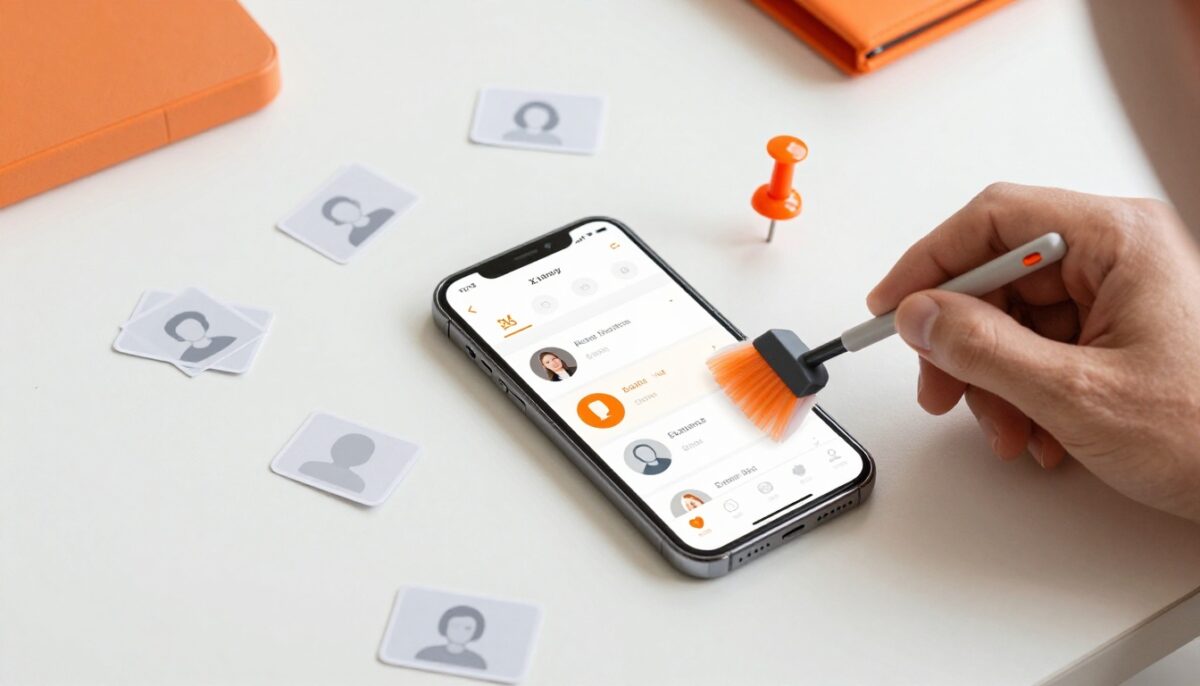
- How I Clean My X Account: Unfollow and Pin Posts - September 14, 2026
Enjoy this content? Help me show up more often in Google by adding Inspire To Thrive as a Preferred Source:


Thank you for such a nice post on Social Media Marketing.
I am sure, this post is going to help a-lot of people’s in reaching out to there right audience.
You are welcome Abhinav. Welcome to InspireToThrive. Which of these concern you the most? Thanks for coming by and have a great day.
Thanks for sharing such an informative post. Today social media signals matter a lot when it comes to rank your post high in search engines. There are hundreds of social media platforms to run your campaign. Facebook, Twitter, Linkedin are few to name.
thanks for sharing this, there is many valuable information out here.
HI Vishawajeet, You have written such a nice post regarding social media marketing. Thank you for sharing this great article.
Focusing on 2-3 platforms is best than shooting contents in all social media platforms. Most of the companies have their presence over all social media but they focus only on Facebook, Twitter and LinkedIn/Pinterest
You’ve got a great piece, Kumar.
The most annoying slip-up is building an audience that don’t need your products and services. It’s a total waste of time, money and energy.
I interact a lot on social media and it has been helpful even though I think I’m over doing it.
Thanks for sharing.
Emenike
Hello Emenike,
You are absolutely right. Choosing a right audience base is most important to make most out of your social media campaigns. Thanks for stopping by.
Have a Great day.
Vishwajeet
Great post, Vishwajeet. Many go into social media marketing without having a goal or plan for their marketing strategy. A social media marketing plan is of great importance because it is a framework that will guide you to success.
As you mentioned, if you have no plan, you will not carry out activities like mapping out how to posting consistently, interacting, selling your product and services, etc. You need a sustainable plan to achieve success.
More is that you don’t have to be on all social platforms. Choose a few of them a set yourself up. Trying to be everywhere will amount to spreading yourself too tin with is stressful and overwhelming.
Thank you for sharing, Vishwajeet, and thank you too, Lisa for publishing this amazing post.
Hello Moss,
Glad you like the post. A Social Media plan is very important to make right decisions and make most out of your campaign. Thanks for stopping by.
Have a Great Day.
Vishwajeet
Hi Lisa and your writer
such an amazing and great post , social media is great source of traffic and boost ranking . these tips are really awesome.
Thank you for sharing
Hello Brandi,
Glad you like the post. Thanks for stopping by. Have a great day.
Vishwajeet
I feel the platform one Vish. Totally why I let go LinkedIn, and also spend a wee bit of time on Google Plus. In truth, I ramped up G Plus usage through Communities to find good blogs for reading, commenting and befriending, but I have not done anything through my main stream in years, and really, dove into the Communities thingee after almost a decade of doing nothing on the site. Big fan of Twitter and doing some FB stuff here and there keeps me focused on 1-2 networks, primarily. No way to be master of all social media marketing trades. Focus on 1-2 and get really good at ’em.
Thanks for sharing.
Ryan
Hey Ryan,
Glad you like the Post. Facebook and Twitter are one of my favorite social networking sites. Thanks for stopping by.
Have a Great Day:)
Vishwajeet