Businesses have a lot to lose if someone steals from them. Generally, we think of this theft as involving either money or valuable resources, such as technology and equipment. But today, more than ever, you have to protect data from data thieves. Having great data protection is as important as having insurance for your blog or online business.
Of course, these thefts are serious and can have devastating consequences. However, there is another kind of theft that can be just as severe: when someone steals your data.
Most businesses have valuable and confidential data stored in their systems. If someone gets access to it when they shouldn’t, it could damage your business’s finances and reputation.
This is why it’s so important to protect your data, and I’ll share how you can do that here.
Estimated reading time: 5 minutes
Table of Contents
Key Takeaways
- Businesses must protect data, as it is crucial to safeguard finances and reputation.
- To protect data, implement firewalls and use VPNs, especially when accessing public networks.
- Creating strong passwords and being cautious about opening suspicious emails significantly enhances data security.
- Regularly back up your data to fend off hacking and ensure business continuity.
- Establishing good data protection practices builds trust with clients and supports your brand’s reputation.
Learn About Data Privacy to Protect Data
Before we jump into all the things your business should be doing to protect its data, let’s talk about data privacy so that you can understand what it is and why it’s important.
Data privacy refers to the fact that certain kinds of data aren’t available to everyone. This means steps need to be taken to prevent others from accessing this data.
Since most businesses handle sensitive data, protecting their data privacy is of the utmost importance.
Get a Firewall
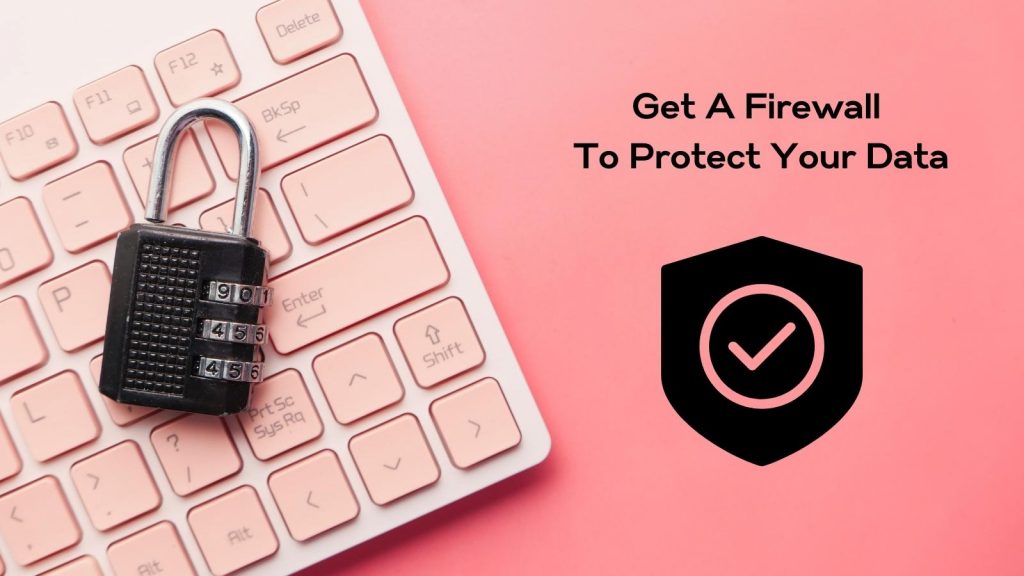
You’ve probably heard of a firewall before, but what exactly is it? To put it simply, a firewall protects your data by monitoring who accesses certain networks. By doing so, it can prevent people from accessing data unless they are authorized.
This type of technology can be expensive. However, it’s likely more affordable than losing your business’s data, so most people would agree that it’s worth it.
Keep in mind that you will need technology capable of running the firewall. If your business is using outdated computers, it might be a good idea to consider these business desk computers.
Get a VPN to Protect Data
A VPN refers to a virtual private network. While there are many uses for VPNs, one of them is protecting your data. This is especially helpful if you or your employees often work out of the office and connect to public wi-fi networks, since this is when your data is most vulnerable.
This is often the case when you hire freelancers, such as travel bloggers.
While a VPN won’t completely eliminate the risks of you being hacked, it’s still a good idea because you should be doing everything you can to protect your business’s data.
Create Strong Passwords
Of course, the most valuable and confidential data will be hidden behind a password. Most people tend to pick passwords that are easy to remember.
This is understandable, but the problem is that those passwords are generally quite obvious and easy to guess. The harder and more complex a password is, the harder it will be for someone to guess or crack.
That’s why you need to create strong passwords. You also shouldn’t share these passwords with anyone, because that would put the sensitive data at risk.
Be Careful with Suspicious Emails
If you are not sure about an email, do not open it! If the headline has threatening or urgent wording, be wary. Another way to tell a spam email is the email address.
Spotting a spam email address isn’t hard once you know what to look for. Watch for odd misspellings, random strings of numbers or letters, and domain names that look almost right but aren’t to protect your data.
Free email services like Gmail or Yahoo are common for personal mail, so a business message from an address like “info12345@gmail.com” should raise a red flag.
Check for addresses that don’t match the company name or website. If the email feels off, don’t click any links before double-checking the sender.
Therefore, stay cautious—that’s the best way to keep your inbox clean.
Back-Up Info to Protect Data
It’s the best way to protect your business and personal information. Reliable data protection keeps sensitive details away from hackers and cyber threats.
It gives you peace of mind, knowing your files, client info, and passwords are safe. Don’t wait for a problem to act.
Set up strong security now so you can focus on growing your blog or online business without worrying about who might be watching.
Conclusion: Knowing About Data Protection
Protecting your data is part of building trust with your audience. When you show visitors you take privacy seriously, you help them feel safe on your site.
Simple steps like clear privacy policies and strong passwords go a long way. Staying up to date on the latest rules helps keep your business on track and your reputation solid.
If you manage client details, always use secure tools and limit access to sensitive info. Maintaining good data protection habits sets you apart.
For more tips on privacy or setting up your site the right way, check out resources from Inspire To Thrive. Your brand’s trust starts with smart data protection—don’t wait to make it a priority.

- Best Social Media Automation Tools: Agorapulse vs Buffer (2026) - September 20, 2026
- Why Making A Personal Connection Is Marketing Gold Dust - September 19, 2026
- What Is My Instagram URL? How to Find and Copy Your Profile Link - September 19, 2026
Enjoy this content? Help me show up more often in Google by adding Inspire To Thrive as a Preferred Source: